

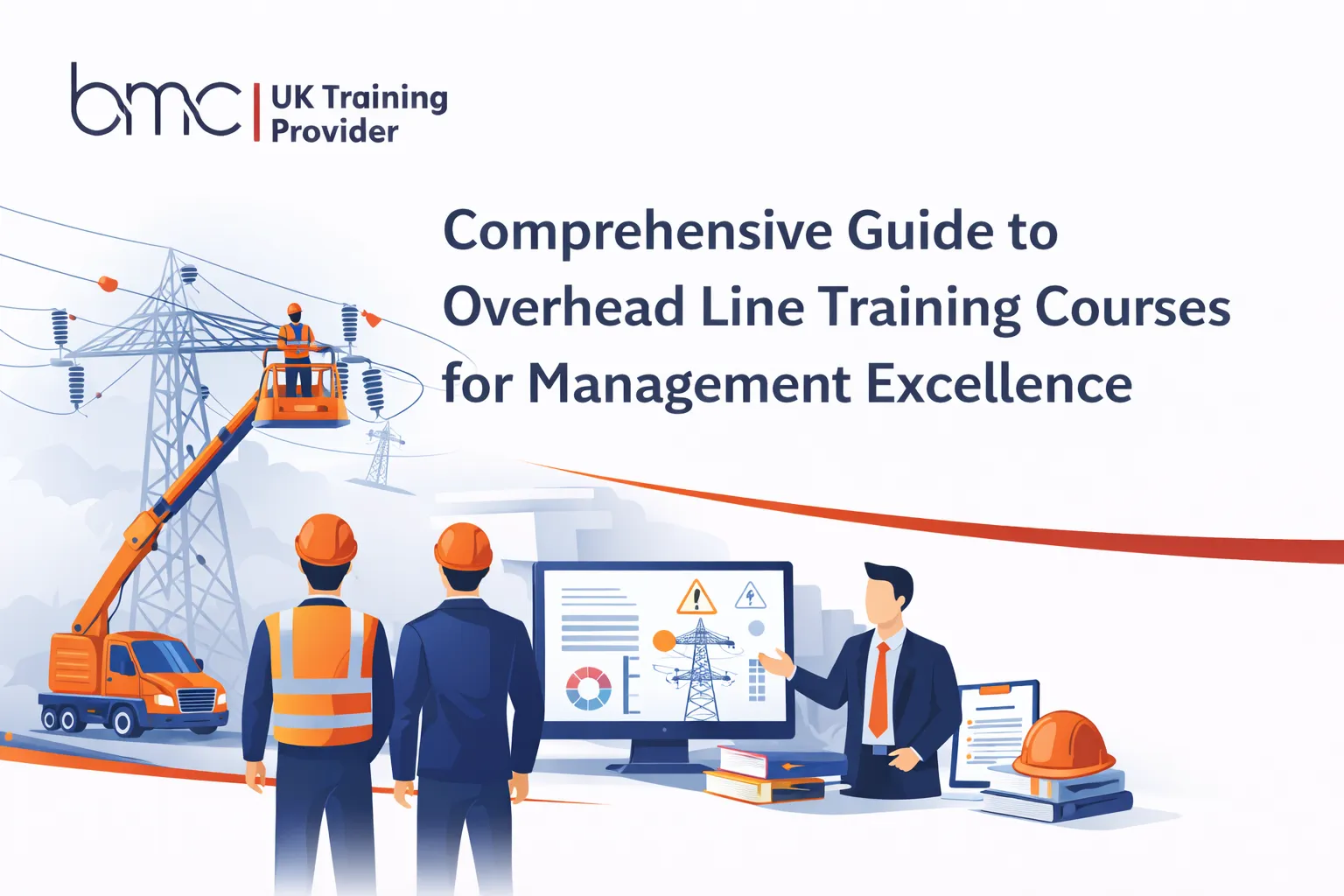
Overhead line training courses serve as a vital foundation for administrators and managers responsible for overseeing utility infrastructure and power distribution projects. These specialized programs ensure that those in leadership roles understand the complexities of high-voltage systems and safety protocols.
By participating in overhead line training courses, administrative professionals can better bridge the gap between field operations and strategic planning. This alignment is crucial for maintaining operational continuity and ensuring that all infrastructure projects meet stringent regulatory requirements.
Modern overhead line training courses offer several key benefits for the administrative sector:
-
Provides managers with the technical literacy needed to oversee field safety audits effectively.
-
Enhances professional development by integrating high-level risk management with infrastructure knowledge.
-
Streamlines modern training initiatives by focusing on both technical compliance and resource allocation.
What Is Overhead Line Training Courses?
In an administrative and professional context, overhead line training courses are structured educational programs designed to convey the principles of electrical distribution and maintenance management. These courses cover everything from initial design oversight to long-term asset management.
These overhead line training courses work by combining theoretical modules with practical case studies, allowing managers to visualize the lifecycle of utility assets. They provide the framework for understanding how physical infrastructure translates into budgetary and operational data.
An administrative example of using overhead line training courses would be a project manager utilizing the course insights to evaluate a contractor’s safety plan. This ensures that the administrative oversight is grounded in actual industry standards and technical reality.
Why Is Overhead Line Training Courses Important?
The implementation of overhead line training courses is essential for organizations that prioritize safety, reliability, and financial efficiency. Without this training, administrators may struggle to make informed decisions regarding maintenance schedules or emergency responses.
-
Enhanced Operational Performance: Managers who complete overhead line training courses can identify inefficiencies in maintenance workflows, leading to faster service restoration.
-
Informed Decision Support: These courses provide the data points necessary for administrators to justify large-scale capital expenditures on grid modernization.
-
Increased Training Efficiency: By standardizing the knowledge base through overhead line training courses, organizations reduce the likelihood of costly errors and safety violations.
How to Apply Overhead Line Training Courses Effectively
Step-by-Step Process
The application begins with a comprehensive needs assessment to identify which overhead line training courses align with your organization’s specific infrastructure. Once the courses are selected, administrators should integrate the learning outcomes into the standard operating procedures of the firm.
After completion, the focus shifts to auditing current field practices against the benchmarks established during the overhead line training courses. This continuous loop of application and review ensures that the management team remains proactive rather than reactive.
Tools and Methods
-
Decision-support software integrated with overhead line training courses for risk modeling.
-
Standardized audit checklists derived from the latest course compliance modules.
-
Virtual simulation tools used within overhead line training courses to visualize network stress.
When Should You Use Overhead Line Training Courses?
Administrators should schedule overhead line training courses during the planning phase of new infrastructure developments or before significant regulatory changes take effect. This timing ensures that the management strategy is current and compliant from day one.
It is also highly recommended to utilize overhead line training courses when transitioning personnel into supervisory roles within utility departments. However, these courses should be avoided if the organization lacks the basic safety equipment required to implement the taught protocols.
-
Best used during seasonal maintenance planning to optimize workforce deployment.
-
Ideal for post-incident reviews to update management safety strategies.
Read Also : Mastering Logistics Excellence Through Level of Repair Analysis Training
Key Differences and Comparisons in Overhead Line Training Courses
Comparison Table
| Feature | Management-Focused Courses | Technical Field Courses |
| Primary Goal | Oversight and Risk Strategy | Execution and Repair |
| Target Audience | Administrators and Directors | Linemen and Technicians |
| Key Keyword | Overhead line training courses | Practical field certifications |
Practical Examples
An administrative director uses overhead line training courses to draft a ten-year maintenance roadmap that balances cost with reliability. In contrast, a field supervisor uses the same overhead line training courses to ensure that the physical spacing of conductors meets legal safety clearances during an install.
Practical Tips for Mastering Overhead Line Training Courses
To truly master the content of overhead line training courses, administrators must focus on the intersection of legal compliance and technical feasibility. A common mistake is treating these courses as a one-time checkbox rather than a continuous improvement tool.
-
Avoid the error of ignoring local environmental regulations discussed in overhead line training courses.
-
Always cross-reference the lessons from overhead line training courses with your organization’s specific insurance requirements.
-
Implement advanced tracking strategies to monitor how the training impacts long-term asset health.
Frequently Asked Questions About Overhead Line Training Courses
Who should enroll in overhead line training courses from a management perspective?
Project managers, safety officers, and administrative leads who oversee utility contracts should prioritize overhead line training courses.
Do overhead line training courses cover international safety standards?
Most professional overhead line training courses are designed to align with global ISO and safety standards to ensure cross-border compliance.
How often should overhead line training courses be refreshed?
It is recommended to update overhead line training courses every two years to keep pace with evolving electrical technologies and regulations.
Can overhead line training courses help in reducing insurance premiums?
Yes, demonstrating that management has completed certified overhead line training courses often leads to lower risk ratings from insurers.
Are there digital versions of overhead line training courses available?
Many modern providers offer hybrid overhead line training courses that combine online theory with site-based management observations.
What is the return on investment for overhead line training courses?
The ROI is typically seen through reduced downtime, fewer workplace accidents, and more accurate project budgeting.
Final Thoughts on Overhead Line Training Courses
Overhead line training courses represent a strategic investment in the intellectual capital of an organization’s leadership. By mastering the technical and administrative nuances of power distribution, managers can ensure a safer, more efficient, and more profitable operation. Ultimately, overhead line training courses empower administrators to lead with confidence in an increasingly complex infrastructure landscape.
About BMC Training and Development
BMC Training and Development offers Management, Administration, Finance, Accounting, Budgeting, Human Resources, Public Relations, Health and Safety Training Courses in UK – London, Turkey – Istanbul and Malaysia – Kuala Lumpur. BMC Training and Development is considered as the best professional Training provider in Europe and Middle East.
BMC provides individuals and organizations worldwide with the knowledge, skills, and tools to achieve performance excellence, adapt to changing realities, and prosper in a complex and competitive world of globalization. Each year thousands of clients learn new skills and behaviors, gain more confidence, advance their careers, and contribute to the success of their organizations. BMC offers a wide range of unique seminars, workshops, conferences, customized corporate programs, and consultancy services.
BMC Training and Development has earned the reputation as a trusted partner in professional development and management education that improves immediate performance as well as provides long-term results for individuals and organizations. Whether you are looking for technical oversight or leadership excellence, our programs are designed to meet the highest international standards. Contact us today to explore our latest course offerings and secure your professional future.