

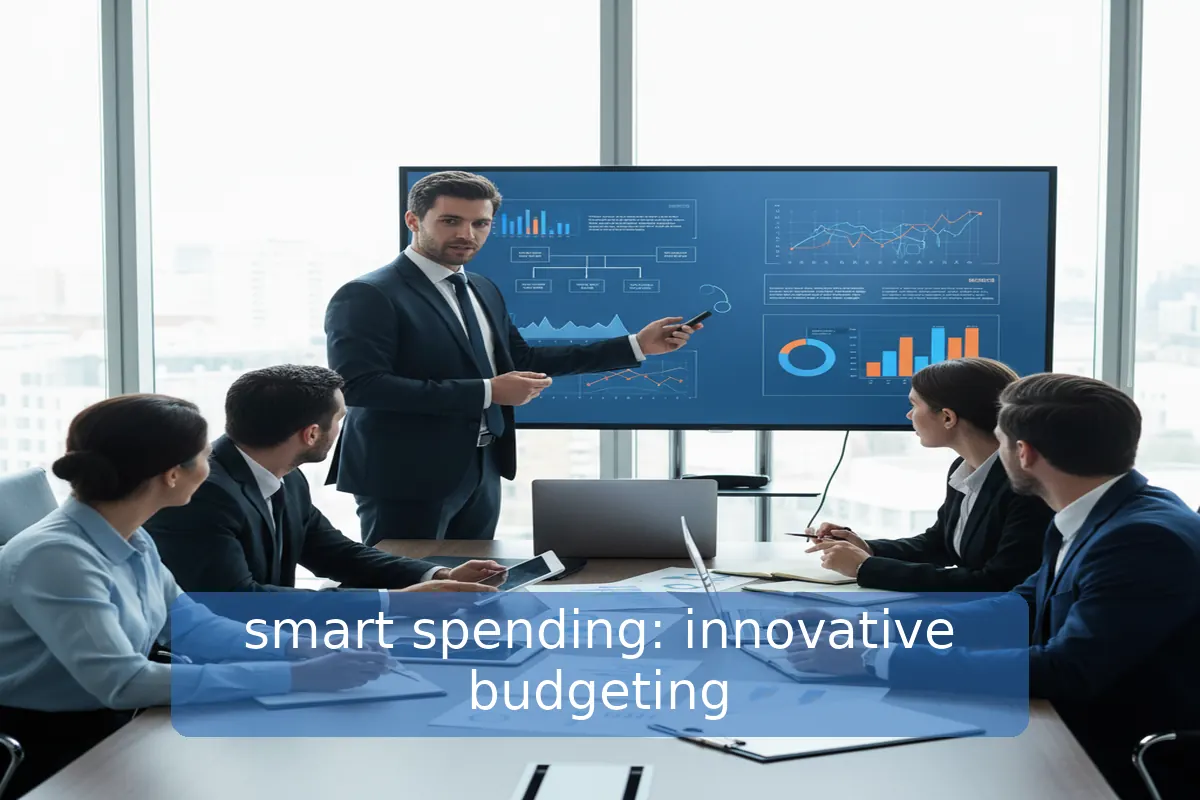
Effective budgeting in 2026 demands more than traditional methods, especially for UK businesses navigating dynamic economic landscapes. Innovative budgeting techniques empower organisations to achieve financial agility, make more informed strategic decisions, and optimise resource allocation. Approaches like Zero-Based Budgeting (ZBB), Rolling Forecasts, and Activity-Based Budgeting (ABB), amplified by technology and collaboration, are essential for maintaining competitiveness and fostering sustainable growth in the modern British market.
Quick Summary
- UK businesses in 2026 must adopt innovative budgeting for agility and strategic decision-making
- Techniques like Zero-Based Budgeting and Rolling Forecasts offer enhanced financial control
- Technology and collaborative approaches are critical for modern budgeting efficiency
- Avoiding common pitfalls like rigid annual budgets and lack of stakeholder engagement is crucial
Why Must UK Businesses Rethink Budgeting in 2026?
The UK business environment in 2026 is characterised by rapid change, economic volatility, and intense competition. Traditional, static annual budgeting cycles often prove inadequate in providing the agility and foresight necessary for sustained success. Businesses that cling to outdated methods risk being outmanoeuvred by more adaptable competitors.
Here’s why a fundamental rethink is imperative:
-
Accelerated Market Changes: Global and domestic economic shifts, technological advancements, and evolving consumer behaviours demand continuous financial recalibration. A budget set once a year quickly becomes obsolete.
-
Need for Agility: UK businesses require the ability to pivot quickly, reallocate resources, and respond to both opportunities and threats without being constrained by rigid financial plans.
-
Enhanced Strategic Alignment: Budgeting must directly support strategic objectives. Innovative techniques ensure that every pound spent is aligned with the company’s overarching goals, a principle vital for courses like Strategic Planning Professional offered by BMC Training.
-
Optimised Resource Utilisation: In a competitive landscape, every resource must deliver maximum value. Modern budgeting helps identify inefficiencies and reallocate funds to high-impact areas.
-
Data-Driven Decisions: The proliferation of data requires budgeting processes that can integrate and leverage real-time insights for more accurate forecasting and decision-making, aligning with principles taught in Effective Business Decisions Using Data Analysis.
What Are the Leading Innovative Budgeting Techniques for UK Businesses?
To thrive in 2026, UK businesses need to move beyond incremental adjustments and embrace methodologies that foster financial discipline and strategic flexibility. Several innovative techniques stand out for their potential impact.
Zero-Based Budgeting (ZBB): A Foundation for Prudence
Zero-Based Budgeting (ZBB) requires every expense to be justified for each new period, starting from a ‘zero base’ rather than adjusting from the previous year’s budget. This rigorous approach forces a complete re-evaluation of all activities and costs.
-
Key Benefits:
- Eliminates Waste: Forces managers to scrutinise every expenditure, identifying and eliminating non-essential costs.
- Improved Resource Allocation: Ensures resources are directed to activities that offer the highest strategic value.
- Increased Accountability: Departments must explicitly justify their needs, enhancing ownership and responsibility.
- Strategic Alignment: Directly links spending to current strategic priorities, making it a powerful tool for Strategic Planning, Development and Implementation.
-
Best Suited For: Businesses undergoing significant change, needing cost reduction, or looking to fundamentally realign their spending with strategic goals. It’s particularly effective for project-based organisations or those looking to implement a “lean” operational model.
Rolling Forecasts: Adapting to Market Dynamics
Rolling Forecasts are continuously updated financial projections that extend a set number of periods into the future, typically 12-18 months. As one period ends, a new one is added, ensuring the forecast always looks forward.
-
Key Benefits:
- Enhanced Agility: Provides an up-to-date view of financial performance and expectations, allowing for quicker adjustments to market shifts.
- Improved Accuracy: Incorporates the latest data and assumptions, leading to more realistic financial predictions.
- Better Decision-Making: Supports proactive management by highlighting potential issues or opportunities well in advance.
- Reduced Budgeting Time: Can streamline the annual budgeting process by replacing it with a more continuous, less intensive forecasting rhythm.
-
Best Suited For: Businesses in volatile industries, those with rapidly changing revenues or costs, or organisations prioritising continuous adaptation and agile financial planning.
Activity-Based Budgeting (ABB): Cost Alignment for Efficiency
Activity-Based Budgeting (ABB) links resource consumption and spending directly to the activities required to produce products or services. It focuses on the cost of performing specific activities rather than just departmental spending.
-
Key Benefits:
- Clear Cost Drivers: Identifies the true cost of activities, providing clarity on where money is actually being spent and why.
- Improved Cost Control: Enables managers to control costs by managing the activities themselves.
- Enhanced Pricing Strategies: Provides accurate cost data for product or service pricing, improving profitability.
- Operational Efficiency: Highlights inefficient processes, paving the way for improvements in areas like Continuous Innovation and Process Improvement.
-
Best Suited For: Manufacturing, service industries, or any business where understanding the cost of specific processes and activities is critical for efficiency and profitability.
Scenario Planning: Preparing for the Unpredictable
Scenario Planning involves creating multiple budgets based on different possible future economic or market conditions (e.g., best-case, worst-case, most likely). This prepares businesses for a range of outcomes.
-
Key Benefits:
- Risk Mitigation: Identifies potential financial vulnerabilities and allows for pre-planned responses to adverse conditions.
- Opportunity Identification: Helps uncover strategic opportunities that might arise under different scenarios.
- Enhanced Resilience: Equips the organisation with a framework to navigate uncertainty, a core component of Organisational Resilience.
- Improved Strategic Dialogue: Fosters robust discussions about potential futures and their financial implications among leadership.
-
Best Suited For: All businesses, especially those in industries susceptible to significant external shocks, or during periods of high economic uncertainty.
Comparison of Budgeting Techniques for UK Businesses
Understanding the trade-offs between different budgeting approaches is crucial for UK businesses. Here’s a comparison of common methods:
How Can Technology and Collaboration Transform Your Budgeting Process?
The effectiveness of any innovative budgeting technique is significantly amplified by the strategic integration of technology and a culture of collaboration. For UK businesses in 2026, these are not optional enhancements but fundamental pillars of modern financial management.
-
Leveraging Technology for Efficiency and Accuracy:
- Budgeting Software & ERP Systems: Dedicated platforms streamline data collection, automate calculations, and provide real-time dashboards for monitoring. This reduces manual errors and frees up finance teams for more strategic analysis. Many BMC courses, such as Data Management, Manipulation and Analysis using Excel and Effective Business Decisions Using Data Analysis, highlight the importance of robust data tools.
- Predictive Analytics & AI: Advanced tools can analyse historical data, identify trends, and even predict future outcomes with greater accuracy, especially useful for rolling forecasts and scenario planning.
- Cloud-Based Solutions: Enable secure, remote access for teams across different locations, fostering greater collaboration and data accessibility.
- Integration with KPIs: Technology allows for seamless integration of budgeting with Key Performance Indicators and Optimisation, ensuring financial plans are directly linked to operational performance metrics.
-
Fostering Collaborative Budgeting for Broader Buy-in:
- Cross-Departmental Involvement: Engaging departmental heads and key stakeholders from the outset ensures budgets are realistic, practical, and have greater buy-in. This aligns with principles in High Impact Business Communication and Effective Organisational Leadership.
- Transparent Communication: Clearly communicating budgeting goals, assumptions, and outcomes builds trust and encourages proactive participation.
- Shared Responsibility: When teams feel ownership over their budget, they are more likely to manage it effectively and identify cost-saving opportunities.
- Feedback Loops: Establishing channels for continuous feedback allows for adjustments and improvements to the budgeting process itself, embodying Continuous Improvement: Learning from the Past.
What Common Mistakes Do UK Businesses Make in Budgeting (and How to Avoid Them)?
Even with the best intentions, UK businesses can fall into common traps when implementing or managing their budgeting processes. Avoiding these pitfalls is as crucial as adopting innovative techniques.
-
1. Sticking to a Rigid Annual Budget:
- Mistake: Treating the annual budget as a fixed, unchangeable document, leading to inflexibility in dynamic markets.
- Avoid: Embrace rolling forecasts or periodic budget reviews. Build in contingency funds for unexpected events. Regularly assess and adjust based on actual performance and market shifts.
-
2. Lack of Strategic Alignment:
- Mistake: Budgeting in isolation, without direct links to the company’s overall strategic objectives.
- Avoid: Ensure every budget line item can be traced back to a specific strategic goal. Implement techniques like ZBB or ABB, which inherently link spending to value and activities. BMC Training’s Strategy Design Bootcamp emphasises this critical connection.
-
3. Insufficient Stakeholder Engagement:
- Mistake: The finance department creating budgets in a silo, without input from operational teams.
- Avoid: Implement collaborative budgeting. Engage departmental managers early and often. Their practical insights are invaluable for realistic and achievable budgets, enhancing Effective Negotiation, Persuasion and Critical Thinking skills within the organisation.
-
4. Over-Reliance on Historical Data:
- Mistake: Basing future budgets solely on past performance without considering current market trends or forward-looking indicators.
- Avoid: Incorporate predictive analytics, market research, and scenario planning. Use historical data as a reference point, not a definitive predictor.
-
5. Ignoring the ‘Why’ Behind Expenses:
- Mistake: Focusing only on the numerical aspects of a budget without understanding the underlying activities or value drivers.
- Avoid: Implement Activity-Based Budgeting to understand the cost of specific activities. For ZBB, demand justification for every expense, asking “why is this needed now?”
-
6. Poor Communication and Transparency:
- Mistake: Failing to clearly communicate budget rationale, targets, and performance to relevant teams.
- Avoid: Foster a transparent budgeting culture. Provide regular updates and explain variances. Clear communication, as taught in Communication Essentials, is vital for buy-in and accountability.
-
7. Neglecting Continuous Improvement:
- Mistake: Viewing budgeting as a one-off annual task rather than an ongoing process of learning and refinement.
- Avoid: Establish regular budget reviews and post-mortems. Analyse budget variances to understand what went wrong or right, and apply those lessons to future cycles. This embodies the spirit of Continuous Innovation and Process Improvement.
Which Budgeting Technique is Right for Your UK Organisation? A Decision Framework.
Choosing the optimal budgeting technique (or combination of techniques) depends heavily on your organisation’s unique characteristics, strategic goals, and current challenges. There’s no one-size-fits-all solution. Use this framework to guide your decision-making for 2026.
-
Assess Your Organisation’s Size and Complexity:
- Small to Medium Enterprises (SMEs): Might find full-scale ZBB too resource-intensive initially. A rolling forecast combined with basic activity-based insights could be more manageable.
- Large Corporations: Have the resources to implement more complex systems like ZBB or comprehensive ABB, often integrated into ERP systems.
-
Evaluate Your Industry and Market Volatility:
- Highly Volatile Industries (e.g., Tech, Retail): Rolling forecasts and scenario planning are essential for agility and risk management.
- Stable Industries (e.g., Utilities, Public Sector): While still benefiting from innovation, might have more predictable cost structures where ZBB can drive efficiency without constant re-forecasting.
-
Define Your Primary Strategic Goal:
- Cost Reduction & Efficiency: Zero-Based Budgeting and Activity-Based Budgeting are highly effective.
- Agility & Adaptability: Rolling forecasts and scenario planning are paramount.
- Growth & Investment: A flexible budget that allows for strategic investments while maintaining control is key.
- Strategic Alignment: ZBB and ABB excel at linking spending directly to objectives.
-
Consider Your Organisational Culture and Readiness for Change:
- Resistance to Change: Start with less disruptive methods like enhancing existing forecasts before attempting a full ZBB implementation.
- Data Maturity: Do you have the systems and skills for detailed data collection and analysis required by ABB or sophisticated rolling forecasts? Training in Data Management, Manipulation and Analysis using Excel can be crucial here.
- Leadership Buy-in: Secure executive support for any significant budgeting transformation. Strong leadership, as explored in Leadership and Strategic Impact, is vital for successful implementation.
-
Pilot and Iterate:
- Don’t overhaul everything at once. Consider piloting a new technique in one department or for a specific project.
- Collect feedback, measure success, and iterate on the process before a wider rollout. Continuous improvement should apply to your budgeting method itself.
Maximising Impact: Integrating Budgeting with Strategic Business Goals
For UK businesses, the ultimate goal of innovative budgeting is not just financial control, but strategic advantage. Budgeting should be a dynamic tool that actively drives and reinforces the organisation’s strategic direction. This requires a shift from viewing budgeting as a mere accounting exercise to seeing it as a core component of Strategic Planning, Communication, Measurement and Implementation.
Here’s how to maximise this impact:
-
Link Funding to Strategic Pillars: Explicitly allocate budget to initiatives that directly support the company’s long-term vision. If a strategic goal is “market expansion,” ensure marketing and R&D budgets reflect this priority.
-
Performance-Based Budgeting: Align budget allocations with expected outcomes and key performance indicators (KPIs). Departments that consistently meet or exceed strategic KPIs might receive more flexible budget allocations or incentives. This ties into the principles of Performance Measurements, Continuous Improvement and Benchmarking.
-
Iterative Strategic Reviews: Integrate budget reviews with strategic planning sessions. This ensures that as market conditions or strategic priorities evolve, financial plans can be adjusted in real-time.
-
Empower Leaders with Financial Acumen: Equip departmental managers and leaders with the financial literacy to understand their budgets not just as spending limits, but as strategic levers. Courses like Mastering Finance for Non-Financial Oil and Gas Personnel (or general non-financial professionals) can be adapted to this need.
-
Foster a Culture of Value Creation: Encourage every team to think about how their activities contribute to overall business value, rather than simply consuming budget. This mindset is crucial for achieving Organisational Resilience and sustainable growth.
By weaving budgeting into the fabric of strategic decision-making, UK businesses can transform their financial planning from a necessary chore into a powerful engine for competitive advantage and sustained success in 2026 and beyond.
Expert Insight
“In an era where market dynamics can shift overnight, the ability of UK businesses to adapt their financial planning is paramount. Innovative budgeting techniques are not just about cutting costs; they are about building resilience and ensuring every investment propels the organisation towards its strategic objectives. The businesses that thrive in 2026 will be those that master flexible, data-driven, and strategically aligned financial management.” – Industry experts confirm that agile financial strategies are key to navigating modern economic challenges.
Key Terms
-
Zero-Based Budgeting (ZBB): A budgeting method where all expenses must be justified for each new period, starting from a ‘zero base.’
-
Rolling Forecast: A continually updated financial projection that extends a set number of periods into the future, adapting to new information.
-
Activity-Based Budgeting (ABB): A budgeting approach that links resource consumption and spending directly to the activities required to produce goods or services.
-
Scenario Planning: Creating multiple budgets based on different possible future economic or market conditions to prepare for various outcomes.
-
Financial Agility: The capacity of an organisation to quickly adapt its financial plans and resource allocations in response to changing internal or external conditions.
How Can BMC Training Support Your Professional Growth?
At BMC Training, we understand that mastering innovative budgeting techniques is critical for professional and organisational success in the UK’s dynamic business landscape. Our expertly designed courses provide the practical knowledge and strategic insights you need to implement these advanced methodologies effectively. Whether you’re looking to enhance your financial acumen, lead strategic initiatives, or drive operational efficiency, BMC Training offers targeted programmes to elevate your capabilities.
Consider our highly relevant courses:
-
The Essentials of Budgeting and Cost Control: Develop fundamental skills to manage and control costs, laying a strong foundation for innovative techniques.
-
Strategic Planning Professional: Learn to align your financial plans directly with your organisation’s strategic vision, ensuring every budget decision drives long-term success.
-
Effective Business Decisions Using Data Analysis: Master the tools and techniques to leverage data for more accurate forecasting and informed financial planning.
-
Leadership and Strategic Impact: Equip yourself with the leadership skills to champion new budgeting initiatives and foster a culture of financial responsibility and strategic thinking across your teams.
-
Advanced Budgeting and Forecasting: Dive deeper into sophisticated forecasting models and budgeting strategies to navigate complexity and uncertainty.
Invest in your future and empower your organisation with BMC Training’s industry-leading expertise. Our practical, experience-driven approach ensures you gain actionable insights that you can apply immediately to transform your budgeting process and achieve superior performance in 2026 and beyond.
Frequently Asked Questions
Q: What is Smart Spending: Innovative Budgeting Techniques for 2026?
Q: How do you choose the right Smart Spending: Innovative Budgeting Technique for 2026?
Q: Who is Smart Spending: Innovative Budgeting Techniques for 2026 suitable for?
Q: What are the main benefits of Smart Spending: Innovative Budgeting Techniques for 2026?
Q: What should you check before enrolling in Smart Spending: Innovative Budgeting Techniques for 2026?
Q: Where can you attend Smart Spending: Innovative Budgeting Techniques for 2026?