

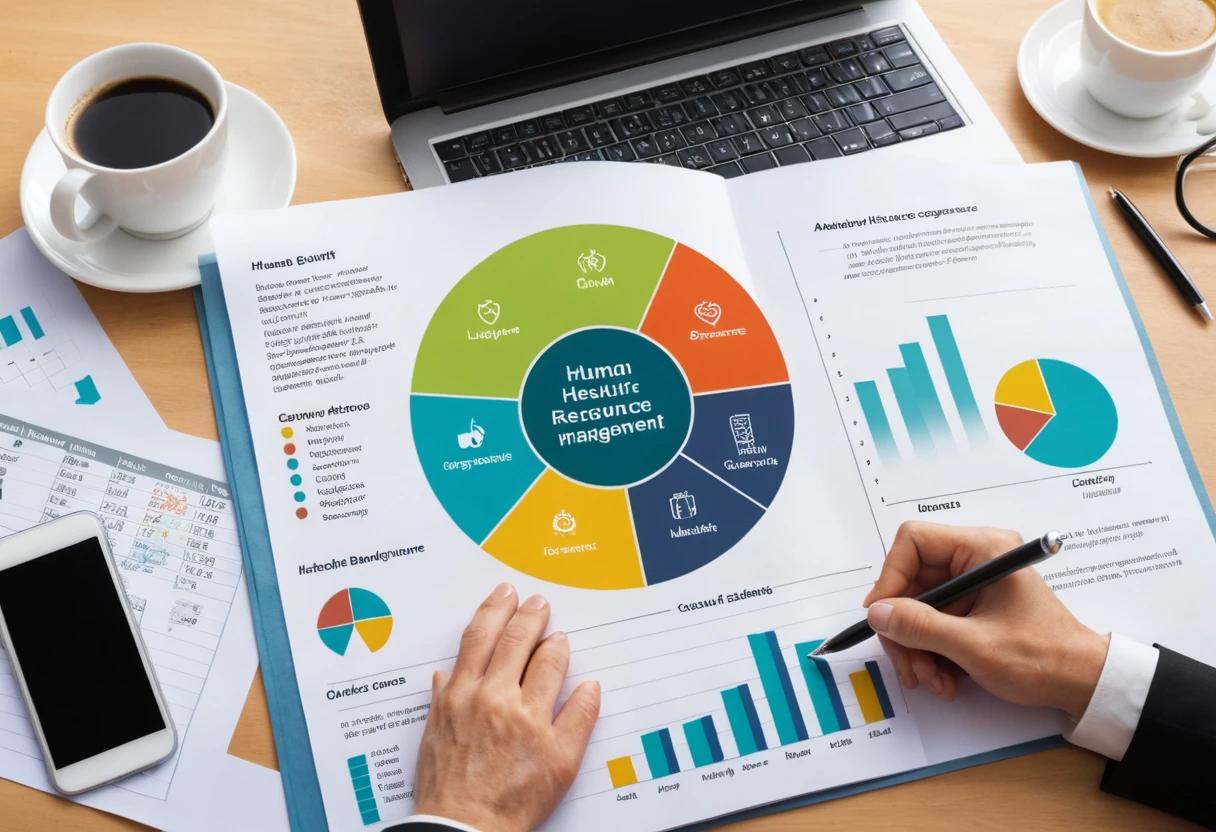
Health benefits are a crucial component of human resource management (HRM), serving as a key factor in attracting, retaining, and motivating employees. In today’s competitive job market, organizations must recognize the importance of offering comprehensive health benefits that cater to the diverse needs of their workforce. This guide delves into the various aspects of health benefits in HRM, exploring their significance, types, challenges, and best practices for effective management. By understanding and optimizing health benefits, HR professionals can enhance employee satisfaction and overall organizational performance.
Quick Summary
- Understand the significance of health benefits in HRM.
- Explore various types of health benefits organizations can offer.
- Learn best practices for managing health benefits effectively.
What Are Health Benefits in HRM?
Health benefits in human resource management refer to the various types of insurance and wellness programs that organizations provide to their employees. These benefits typically include medical, dental, vision, and mental health coverage, as well as wellness programs aimed at promoting a healthy lifestyle. The primary goal of health benefits is to ensure that employees have access to necessary healthcare services, which can lead to improved health outcomes and increased productivity at work.
The Importance of Health Benefits in HRM
The importance of health benefits in HRM cannot be overstated. They play a vital role in:
* Attracting top talent: Comprehensive health benefits are often a deciding factor for candidates when choosing between job offers.
* Enhancing employee morale: When employees feel cared for through health benefits, their job satisfaction and loyalty increase.
* Reducing absenteeism: Access to health services helps employees manage their health better, leading to fewer sick days.
* Improving productivity: Healthy employees are more productive, contributing positively to the organization’s bottom line.
Types of Health Benefits in HRM
Organizations can offer a variety of health benefits to meet the diverse needs of their employees. Some common types include:
* Medical Insurance: Covers doctor visits, hospital stays, and surgeries.
* Dental Insurance: Provides coverage for dental care, including check-ups and procedures.
* Vision Insurance: Covers eye exams, glasses, and contact lenses.
* Mental Health Services: Offers counseling and therapy sessions to support mental well-being.
* Wellness Programs: Initiatives aimed at promoting healthy lifestyles, such as gym memberships and health screenings.
* Flexible Spending Accounts (FSAs): Allow employees to set aside pre-tax dollars for medical expenses.

How Health Benefits Support Other HR Strategies
Health benefits are integral to various HR strategies, including:
* Employee Engagement: Health benefits contribute to a culture of care, enhancing employee engagement and commitment.
* Talent Management: By offering competitive health benefits, organizations can attract and retain top talent, reducing turnover rates.
* Performance Management: Healthy employees are more likely to perform well, making health benefits a key component of performance management strategies.
Challenges in Managing Health Benefits
Despite their importance, managing health benefits can present several challenges:
* Cost Control: Rising healthcare costs can strain organizational budgets, making it essential to find cost-effective solutions.
* Compliance: Organizations must navigate complex regulations related to health benefits, which can be time-consuming and challenging.
* Employee Communication: Effectively communicating the details and value of health benefits to employees is crucial for maximizing their usage and satisfaction.
Best Practices for Effective Health Benefits Programs
To manage health benefits effectively, organizations should consider the following best practices:
* Conduct Regular Assessments: Regularly evaluate the health benefits offered to ensure they meet employee needs and industry standards.
* Engage Employees: Involve employees in the decision-making process regarding health benefits to enhance satisfaction and utilization.
* Leverage Technology: Use HR technology to streamline benefits administration and improve communication with employees.
* Offer Education and Resources: Provide employees with resources to understand their health benefits and make informed decisions.
The Role of HR in Health Benefits Management
HR professionals play a crucial role in managing health benefits by:
* Designing Benefits Programs: HR is responsible for creating and implementing health benefits programs that align with organizational goals and employee needs.
* Monitoring Compliance: Ensuring that health benefits comply with legal requirements and regulations is a key responsibility of HR.
* Communicating with Employees: HR must effectively communicate the details of health benefits to employees, ensuring they understand their options and how to access them.
| Feature | Traditional Health Benefits | Flexible Health Benefits |
|---|---|---|
| Coverage Options | Standardized plans for all employees | Customizable plans based on individual needs |
| Cost Management | Fixed costs for the organization | Variable costs based on employee choices |
| Employee Satisfaction | May not meet all employee needs | Higher satisfaction due to personalized options |
| Administrative Complexity | Simpler to manage | Requires more management and communication |
| Adaptability | Less adaptable to changes | Easily adjustable to new health trends |
Comparison of key aspects.
Why HR Professionals Need Training in Health Benefits
Training in health benefits is essential for HR professionals to:
* Stay updated on industry trends and changes in regulations.
* Develop skills to design and manage effective health benefits programs.
* Enhance their ability to communicate the value of health benefits to employees.
Features of Our Course on Health Benefits
Our course on health benefits offers:
* Comprehensive coverage of health benefits management.
* Practical strategies for designing effective health benefits programs.
* Insights into compliance and regulatory requirements.
* Tools for effective communication with employees regarding health benefits.
Optimize Health Benefits with BMC Training – Enroll Now!
Investing in your HR team’s knowledge of health benefits is crucial for organizational success. Our BMC Training course equips HR professionals with the skills and knowledge needed to manage health benefits effectively. Enroll now to enhance your HR capabilities and drive employee satisfaction!

Frequently Asked Questions (FAQ)
Q: What are health benefits in human resource management?
Q: Why are health benefits important for employees?
Q: What types of health benefits can organizations offer?
Q: How do health benefits impact employee retention?
Q: What role does HR play in managing health benefits?
Q: How can companies assess the effectiveness of their health benefits?