

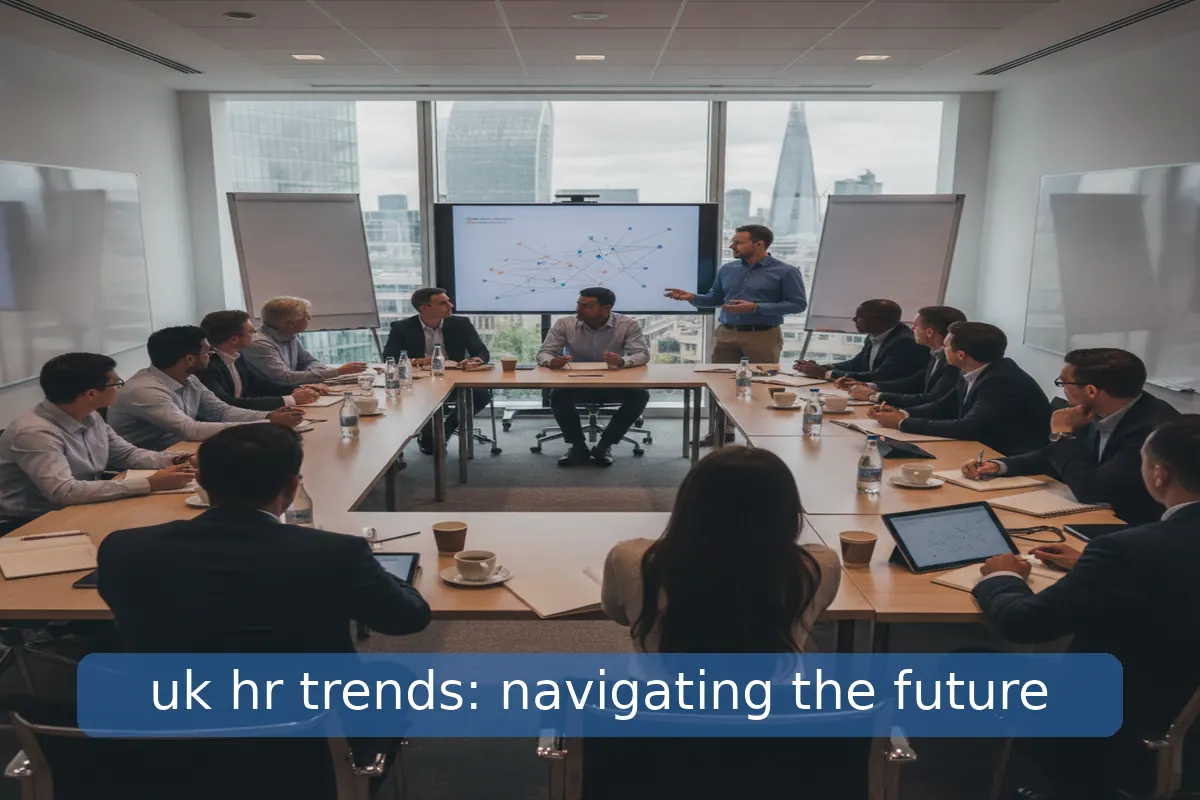
In 2026, Human Resource Management (HRM) in the UK is undergoing a profound transformation, driven by technological advancements, shifting workforce demographics, and evolving employee expectations. Key UK HR trends include the strategic integration of AI and automation for enhanced efficiency and data-driven insights, a critical focus on employee well-being and mental health for sustained resilience, and the deep embedding of diversity, equity, and inclusion (DEI) as fundamental business imperatives. UK organisations must proactively adapt to these changes by embracing flexible work models and cultivating a skills-first approach to talent development to remain competitive and foster an engaged, future-ready workforce.
Quick Summary
- UK HR in 2026 is defined by strategic AI and automation integration for efficiency
- a critical focus on holistic employee well-being and mental health
- deep embedding of Diversity, Equity, and Inclusion (DEI) as a business imperative
- widespread adoption of flexible work models
What are the Defining Human Resource Management Trends for UK Organisations in 2026?
As current trends in human resource management 2026 continue to shape the workplace, UK organisations face a dynamic landscape demanding strategic foresight and agile adaptation. The defining uk human resources trends extend beyond reactive measures, focusing on proactive strategies that align HR with overarching business objectives.
The core trends impacting UK HRM in 2026 include:
-
AI and Automation Integration: Moving from rudimentary tools to sophisticated AI platforms that automate routine HR tasks, provide predictive analytics for talent management, and personalise the employee experience. This isn’t just about efficiency; it’s about enabling HR to be more strategic.
-
Holistic Employee Well-being and Mental Health: Beyond basic benefits, organisations are investing in comprehensive programmes that address physical, mental, emotional, and financial well-being. This is recognised as a cornerstone of productivity and retention.
-
Deepening Diversity, Equity, and Inclusion (DEI): DEI is no longer a compliance checkbox but a foundational business imperative driving innovation, engagement, and market relevance. Strategies focus on systemic change, not just surface-level initiatives.
-
Flexible and Hybrid Work Models as the Norm: The shift to flexible working is permanent. HR is tasked with optimising hybrid models to ensure equity, connectivity, and productivity across diverse work arrangements.
-
Skills-First Talent Management: A departure from traditional qualification-based hiring, organisations are prioritising demonstrable skills and competencies. This addresses talent shortages and fosters internal mobility and continuous upskilling.
-
Data-Driven HR and People Analytics: Leveraging advanced analytics to inform all HR decisions, from recruitment and retention to compensation and organisational design, moving HR from intuition to insight.
-
Employee Experience (EX) as a Strategic Priority: Designing every touchpoint of the employee journey to be positive, engaging, and supportive, mirroring the customer experience focus.
These trends collectively underscore a move towards a more human-centric, data-informed, and technologically empowered HR function in the United Kingdom.
How are AI and Automation Reshaping UK HR Operations and Talent Management?
The impact of AI and automation on hr trends 2026 united kingdom is profound, fundamentally altering how HR functions operate and how organisations manage their talent. These technologies are not merely replacing human tasks but augmenting human capabilities, freeing HR professionals to focus on strategic initiatives and complex human interactions.
Key ways AI and automation are reshaping UK HR:
-
Recruitment and Onboarding: AI-powered tools streamline candidate sourcing, resume screening, and initial interviews, identifying best-fit candidates faster. Chatbots provide instant answers to candidate queries, improving the candidate experience. Automated onboarding flows ensure new hires are integrated efficiently.
-
Performance Management: AI can analyse performance data to identify trends, predict future performance, and suggest personalised development plans. This moves performance reviews from annual events to continuous feedback loops.
-
Learning and Development (L&D): AI-driven platforms offer personalised learning pathways, recommending courses and resources based on individual skill gaps and career aspirations, fostering a culture of continuous learning.
-
HR Service Delivery: AI-powered virtual assistants and chatbots handle routine employee queries (e.g., “How do I request annual leave?”, “What’s my pension contribution?”), reducing HR workload and providing 24/7 support.
-
Workforce Planning and Analytics: Predictive analytics, driven by AI, can forecast future talent needs, identify potential attrition risks, and optimise workforce composition, allowing for proactive strategic planning.
Traditional HR Systems vs. Next-Gen HR Systems (with AI Integration)
The distinction between legacy and modern HR systems is critical for UK organisations looking to leverage these advancements effectively.
Understanding Current Labour Trends: What Challenges and Opportunities Face UK HR?
The current labor trends in human resource management within the UK present a complex mix of challenges and opportunities that demand strategic responses from HR leaders. The post-pandemic landscape, coupled with economic shifts and evolving societal values, has significantly altered the talent ecosystem.
Key Labour Trends and Their Impact:
-
Skills Shortages and Talent Scarcity: Many sectors in the UK continue to face acute skills gaps, particularly in technology, healthcare, and engineering. This makes attracting and retaining top talent fiercely competitive, driving up recruitment costs and salaries.
- Opportunity: Fosters a renewed focus on internal mobility, upskilling, and reskilling programmes. Organisations can build a more adaptable workforce from within.
-
The “Great Renegotiation” and Employee Expectations: Employees are demanding more than just a paycheck. They seek purpose, flexibility, well-being support, and a strong company culture. This has led to higher attrition rates in organisations failing to meet these expectations.
- Opportunity: Forces organisations to re-evaluate their Employee Value Proposition (EVP) and invest in creating a truly positive and supportive work environment.
-
Demographic Shifts: An aging workforce alongside the entry of Gen Z brings diverse expectations and working styles. Managing intergenerational teams requires nuanced approaches to communication, motivation, and leadership.
- Opportunity: Encourages diverse perspectives and knowledge transfer between generations, fostering innovation and resilience.
-
Gig Economy and Contingent Workforce Growth: The rise of freelancers, contractors, and project-based workers offers flexibility but also challenges HR in terms of integration, culture, and compliance.
- Opportunity: Provides access to specialised skills on demand, allowing organisations to scale expertise without permanent overheads.
-
Inflationary Pressures and Cost of Living Crisis: The economic climate places pressure on compensation and benefits strategies. Employees expect fair pay that keeps pace with rising living costs, impacting retention.
- Opportunity: Drives innovation in total rewards packages, focusing on non-monetary benefits, financial well-being support, and transparent communication about pay structures.
Navigating these trends requires HR to be a strategic partner, advising on workforce planning, talent acquisition, retention strategies, and organisational culture to ensure business continuity and growth.
Beyond Compliance: How Can UK Businesses Foster True DEI and Employee Well-being?
For uk hr trends in 2026, Diversity, Equity, and Inclusion (DEI) and employee well-being have transcended mere compliance to become strategic pillars for organisational success. UK businesses recognise that a truly inclusive environment, coupled with robust well-being support, drives innovation, enhances employee engagement, and improves financial performance.
Strategies for Cultivating Genuine DEI:
Moving beyond quotas and basic training, genuine DEI requires systemic change and a commitment from leadership.
-
Leadership Accountability: DEI must start at the top. Leaders need to be educated, held accountable for DEI metrics, and visibly champion inclusive practices.
-
Bias Mitigation in Processes: Implement robust, bias-free processes across the employee lifecycle, from anonymised CV screening and structured interviews to objective performance reviews and equitable promotion pathways.
-
Inclusive Culture Building: Foster psychological safety where all employees feel comfortable sharing ideas and challenging norms. This includes active listening, employee resource groups (ERGs), and celebrating diverse perspectives.
-
Equitable Development and Advancement: Provide equal access to mentorship, sponsorship, and professional development opportunities for underrepresented groups, actively addressing historical disparities.
-
Data-Driven Insights: Regularly collect and analyse DEI data (e.g., representation across levels, pay equity, promotion rates by demographic) to identify gaps, measure progress, and refine strategies.
-
Accessibility and Accommodation: Ensure physical and digital workplaces are accessible to all, and reasonable accommodations are readily provided.
Strategies for Prioritising Holistic Employee Well-being:
Holistic well-being acknowledges that an individual’s health encompasses multiple dimensions.
-
Mental Health Support: Provide easy access to counselling services, mental health first aiders, stress management programmes, and flexible leave policies that support mental health days. Destigmatise conversations around mental health.
-
Physical Health Initiatives: Encourage healthy lifestyles through fitness challenges, ergonomic assessments for home and office setups, and access to health screenings.
-
Financial Well-being Programmes: Offer financial literacy workshops, access to independent financial advice, debt management resources, and competitive, transparent compensation packages.
-
Social Connection and Community: In hybrid models, create deliberate opportunities for social interaction, team building, and community engagement to combat isolation.
-
Work-Life Integration: Promote flexible working hours, compressed workweeks, and boundaries around communication outside of working hours to prevent burnout. Empower employees to manage their own schedules.
-
Manager Training: Equip line managers with the skills to identify signs of distress, initiate supportive conversations, and signpost employees to appropriate well-being resources.
Navigating the Flexible Future: Which Hybrid and Remote Work Strategies Deliver for UK HR?
The normalisation of flexible work is one of the most impactful current trends affecting human resource management. For UK HR, the challenge in 2026 is not whether to offer flexible work, but how to implement hybrid and remote models effectively, ensuring equity, engagement, and productivity across diverse working arrangements.
Core Principles for Effective Flexible Work Strategies:
Successful flexible work is built on foundational principles that guide policy and practice.
-
Trust and Autonomy: Empower employees to manage their work and schedules, trusting them to deliver results regardless of location.
-
Equity and Inclusion: Ensure that remote and hybrid employees have equal opportunities for career progression, visibility, and access to resources as their office-based counterparts. Avoid proximity bias.
-
Clear Expectations and Communication: Define clear guidelines for hybrid attendance, communication protocols, meeting etiquette, and performance expectations.
-
Technology Enablement: Invest in robust, secure technology infrastructure that supports seamless collaboration, communication, and access to necessary tools from any location.
-
Leadership Modelling: Leaders must actively model flexible work behaviours and champion the benefits to foster widespread adoption and belief.
-
Continuous Feedback and Iteration: Flexible models are not “set and forget.” Regularly solicit feedback from employees and managers to refine policies and practices.
Best Hybrid and Remote Work Strategies:
-
“Anchor Days” for Collaboration: Designate specific days for in-office attendance where teams focus on collaborative tasks, workshops, and social connection, rather than individual deep work.
-
Remote-First Meeting Culture: All meetings should be designed as if everyone is remote, using video conferencing, shared digital whiteboards, and ensuring virtual participants are actively engaged.
-
Investment in Home Office Ergonomics: Provide stipends or equipment to ensure employees have comfortable and productive home office setups, promoting well-being and reducing health risks.
-
Digital-First Communication Tools: Implement and train on tools like Slack, Microsoft Teams, or similar platforms for asynchronous communication, project management, and informal interactions.
-
Intentional Social Connection: Organise virtual coffee breaks, online team-building games, and in-person social events to foster camaraderie and prevent isolation.
-
Performance-Based Management: Shift focus from “time spent” to “results delivered.” Implement clear KPIs and regular check-ins to monitor performance, regardless of work location.
-
Manager Training for Hybrid Environments: Equip managers with skills to lead distributed teams, including virtual communication, performance coaching, and fostering team cohesion from a distance.
Avoiding Common Pitfalls: What Mistakes Do UK HR Leaders Make in 2026?
Despite the clear direction of uk hr trends 2026, some HR leaders in the UK inadvertently fall into common traps that hinder their organisation’s ability to adapt and thrive. Recognising these pitfalls is the first step toward effective navigation.
-
Treating Flexible Work as a Perk, Not a Strategy: Viewing hybrid or remote work as a concession rather than a deliberate, integrated strategy leads to inconsistent policies, inequitable treatment, and ultimately, employee dissatisfaction and reduced productivity. It fails to leverage the strategic benefits of flexibility.
-
Over-reliance on Technology Without Human Touch: While AI and automation are crucial, solely focusing on tech implementation without considering the human element can dehumanise the employee experience. HR must strike a balance, using technology to enhance, not replace, human connection and empathy.
-
“One-Size-Fits-All” DEI Initiatives: Implementing generic DEI training or programmes without understanding the specific challenges and demographics of the organisation. True DEI requires tailored, data-driven interventions that address systemic issues within the unique context of the business.
-
Ignoring Manager Capability in New Models: Failing to adequately train and support line managers for leading distributed teams, managing well-being proactively, or fostering an inclusive culture in a hybrid environment. Managers are the frontline implementers of HR strategy, and their capabilities are critical.
-
Neglecting Data Privacy and Ethics with AI: Rushing into AI implementation without robust governance frameworks, clear ethical guidelines, and transparent communication about data usage. This can erode employee trust, lead to compliance breaches (e.g., GDPR), and invite reputational damage.
-
Focusing on Reactive Problem-Solving Instead of Proactive Strategy: Only addressing issues as they arise (e.g., high attrition, skills gaps) rather than anticipating future needs and developing long-term strategic HR plans. This keeps HR in an administrative role rather than a strategic one.
-
Underinvesting in Upskilling HR Professionals: HR teams themselves need continuous development to master new technologies, data analytics, psychological well-being support, and strategic business partnering. Without this, HR risks becoming obsolete or unable to deliver on the demands of 2026.
Crafting a Future-Ready HR Strategy: A Practical Checklist for UK Organisations
Developing a future-ready HR strategy for 2026 requires a structured approach that integrates foresight with actionable steps. This checklist provides UK organisations with a framework to assess their current state and plan for proactive evolution.
The 2026 Future-Ready HR Strategy Checklist:
-
Assess Current HR Tech Stack:
- Evaluate existing HR systems for AI/automation capabilities.
- Identify gaps and areas for upgrade or new investment (e.g., advanced analytics, EX platforms).
- Ensure data security and compliance with UK/EU regulations (e.g., GDPR).
-
Define Flexible Work Policy:
- Clearly articulate the organisation’s stance on hybrid/remote work.
- Develop equitable policies for in-office days, remote working guidelines, and communication protocols.
- Invest in collaborative technologies and ergonomic support for remote setups.
-
Strengthen DEI Framework:
- Conduct a comprehensive DEI audit (pay equity, representation, inclusion scores).
- Set measurable DEI goals and assign leadership accountability.
- Implement bias mitigation training and inclusive leadership development.
-
Prioritise Holistic Well-being:
- Review and expand well-being programmes (mental, physical, financial, social).
- Train managers in well-being support and signposting resources.
- Integrate well-being metrics into employee surveys and HR analytics.
-
Implement Skills-First Approach:
- Map current and future critical skills needed for business strategy.
- Develop internal upskilling/reskilling pathways and learning platforms.
- Shift recruitment and internal mobility processes to prioritise skills over traditional credentials.
-
Enhance People Analytics Capabilities:
- Invest in tools and expertise for robust data collection, analysis, and interpretation.
- Use insights to inform workforce planning, retention strategies, and talent development.
- Ensure ethical use of people data and data literacy across HR.
-
Upskill HR Team:
- Identify skill gaps within the HR function (e.g., data analytics, AI literacy, change management, psychological safety).
- Provide targeted training and development opportunities for HR professionals.
- Foster a culture of continuous learning and experimentation within the HR department.
-
Review Employee Value Proposition (EVP):
- Benchmark current EVP against market expectations and competitor offerings.
- Update EVP to reflect new priorities: flexibility, well-being, DEI, purpose.
- Communicate the refreshed EVP effectively to attract and retain talent.
What Skills and Competencies Define Successful HR Leadership in 2026?
The evolving uk hr trends 2026 demand a new breed of HR leader – one who is not only administratively competent but also strategically astute, technologically fluent, and deeply empathetic. The skills and competencies for success in 2026 reflect this shift towards a more dynamic and influential HR function.
Key skills and competencies for HR leaders in 2026:
-
Strategic Business Acumen: The ability to understand the organisation’s overall business strategy, market dynamics, and financial drivers, and to translate these into effective HR initiatives that contribute directly to business outcomes. This moves HR from a support function to a strategic partner.
-
Data Literacy and Analytical Thinking: Proficiency in interpreting HR metrics, people analytics, and external market data to make informed, evidence-based decisions. This includes understanding statistical significance, identifying trends, and using data to tell a compelling story.
-
Technological Fluency (AI & Automation): A solid understanding of emerging HR technologies, particularly AI and automation. This isn’t about being a programmer, but about knowing how to evaluate, implement, and leverage these tools ethically and effectively to enhance HR processes and employee experience.
-
Change Management Expertise: The capacity to lead and navigate organisational change, communicate effectively during transitions, and build resilience within the workforce. This is crucial as organisations continuously adapt to new trends and technologies.
-
Emotional Intelligence and Empathy: The ability to understand and manage one’s own emotions, as well as recognise and influence the emotions of others. This is vital for fostering inclusive cultures, supporting employee well-being, and resolving complex interpersonal issues.
-
DEI & Cultural Competence: A deep understanding of diversity, equity, and inclusion principles, with the ability to design and implement strategies that create truly equitable and inclusive workplaces. This includes an awareness of unconscious bias and systemic barriers.
-
Coaching and Mentoring Skills: The capability to develop and empower employees and managers through effective coaching and mentoring, fostering growth, performance, and leadership capabilities across the organisation.
-
Agility and Adaptability: The willingness and ability to quickly adjust strategies, processes, and priorities in response to rapidly changing internal and external environments. This embraces experimentation and continuous learning.
Expert Insight
“The future of HR in the UK is less about managing human resources and more about cultivating human potential. Organisations that strategically invest in AI to augment human capabilities, champion holistic well-being, and embed DEI into their very DNA will not just survive 2026; they will lead it. It’s a shift from transactional to transformational, demanding HR leaders to be both data scientists and compassionate strategists.”
— Industry experts confirm that this dual focus on technology and humanity is paramount for HR success in the coming years.
Key Terms
-
Employee Value Proposition (EVP): The unique set of benefits an employee receives in return for the skills, capabilities, and experience they bring to a company. It encompasses compensation, benefits, career development, work environment, and culture.
-
Skills-First Approach: A talent management strategy that prioritises an individual’s demonstrated skills and competencies over traditional qualifications, job titles, or academic degrees during hiring, development, and internal mobility.
-
People Analytics: The use of data analysis to gain insights into an organisation’s workforce, helping HR make more informed decisions about talent acquisition, development, retention, and overall workforce strategy.
-
Psychological Safety: A belief that one will not be punished or humiliated for speaking up with ideas, questions, concerns, or mistakes. It is crucial for fostering innovation and inclusion within teams.
-
Hybrid Work Model: A flexible working arrangement where employees split their time between working in a physical office and working remotely (e.g., from home or another location).
How Can BMC Training Support Your Professional Growth?
Navigating the complex and evolving landscape of UK HR trends 2026 demands continuous learning and skill development. BMC Training offers a comprehensive suite of courses designed to equip HR professionals and leaders with the essential competencies to thrive in this new era. From Strategic Human Resources Management and HR Metrics and Analytics to Leadership Bootcamp for HR Professionals and Leading Strategic HR Transformation, our programmes provide practical, expert-led instruction aligned with the latest industry demands. Whether you need to master Competency-Based Management, enhance your Employee Engagement and Retention strategies, or lead with Emotional Intelligence in Leadership, BMC Training provides the tools, frameworks, and insights necessary to transform your HR function into a strategic powerhouse, ensuring your organisation remains competitive and future-ready. Invest in your professional development with BMC Training and become the HR leader 2026 demands.
Frequently Asked Questions
Q: What are the most significant UK HR trends for 2026?
Q: How is AI impacting human resource management in the UK by 2026?
Q: Why is employee well-being a critical HR trend in the UK for 2026?
Q: What does a “skills-first approach” mean in UK HR for 2026?
Q: What are the challenges for UK HR leaders adapting to 2026 trends?
Q: How can UK organisations prepare for the evolving HR landscape in 2026?