

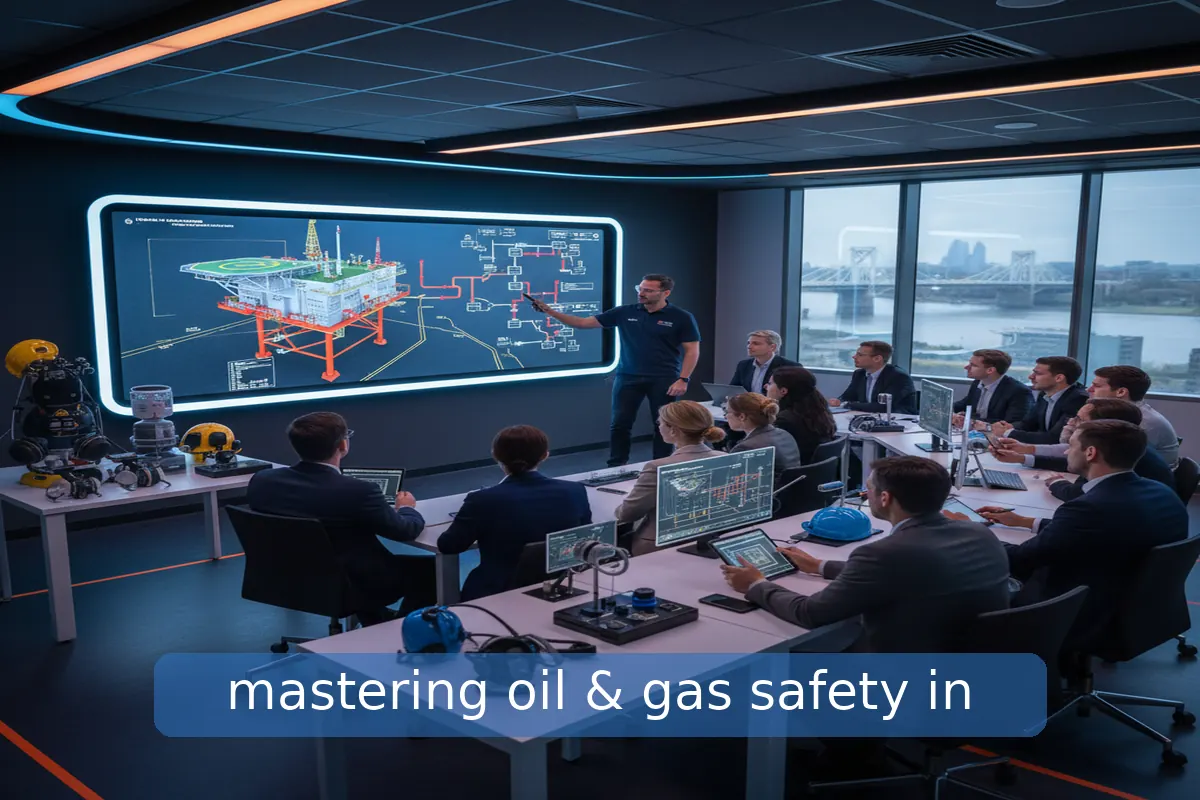
In 2026, essential oil and gas safety training is paramount for professionals operating within the sector, particularly in the UK, where stringent regulations and complex operational environments demand unwavering expertise. This training goes beyond mere compliance, equipping individuals with the proactive skills to identify, assess, and mitigate inherent risks, ensuring both personal well-being and operational integrity. It’s a strategic investment that safeguards human lives, protects valuable assets, and underpins sustainable success in a dynamic global energy landscape.
Quick Summary
- Comprehensive safety training is vital for navigating the complex oil and gas industry in 2026
- UK professionals must align with evolving regulations and global best practices
- Effective programmes combine expert instruction, practical application, and international accreditation
- Choosing the right training mitigates operational risks, fosters career advancement, and ensures compliance
Why is Oil and Gas Safety Training More Critical Than Ever in 2026 for UK Professionals?
The oil and gas industry remains a cornerstone of the global energy supply, yet it inherently involves high-risk operations, from deep-sea exploration to complex refining processes. For UK professionals, 2026 brings an intensified focus on safety, driven by several converging factors:
-
Evolving Regulatory Landscape: The UK, post-Brexit, continues to refine its domestic safety legislation, often aligning with but also adapting international standards. Professionals must stay abreast of updates from bodies like the Health and Safety Executive (HSE) and the Offshore Energies UK (OEUK) to ensure full compliance and avoid severe penalties.
-
Technological Advancements & New Risks: The adoption of cutting-edge technologies, such as advanced robotics, AI-driven analytics, and increasingly complex drilling methods, introduces new operational risks that require specialised training to manage effectively. Understanding the safety implications of these innovations is crucial.
-
Global Best Practices & Standards: The interconnected nature of the industry means UK professionals often work on international projects or with multinational partners. Training must encompass globally recognised frameworks like those from the American Petroleum Institute (API) or ISO 45001 to ensure interoperability and consistent safety performance.
-
Increased Environmental Scrutiny: Beyond personal safety, environmental protection is a major concern. Training now often integrates modules on Marine Pollution and Management, hazardous waste handling, and spill prevention, reflecting a broader understanding of “safety” that includes ecological impact.
-
Talent Retention and Operational Resilience: A robust safety culture, fostered through continuous training, is a key factor in attracting and retaining skilled talent. It also builds Organisational Resilience, enabling companies to better withstand and recover from unforeseen incidents, as highlighted in courses like “Leadership and Decision-Making in Crisis and Emergency Situations.”
Ignoring these drivers is not an option. Organisations and individuals that fail to prioritise advanced safety training in 2026 risk operational disruptions, reputational damage, legal liabilities, and, most critically, preventable accidents.
What Key Elements Define World-Class Oil & Gas Safety Training Programmes?
Choosing an oil and gas safety training programme that truly delivers value requires a discerning eye. The best programmes are not just about ticking boxes; they are about fostering a deep-seated safety culture and equipping participants with actionable skills. Here are the critical elements to look for:
-
Curriculum Depth and Relevance:
- Comprehensive Coverage: Programmes should cover a broad spectrum of topics, from foundational safety principles (e.g., hazard identification, risk assessment, emergency response) to specialised areas like Process Plant Optimization Technology and Continual Improvement, Corrosion Control, or Hazardous Area Classification.
- Industry-Specific Focus: Content must be tailored to the unique challenges of the oil and gas sector, including scenarios involving high-pressure systems, flammable materials, confined spaces, and offshore operations.
- Regulatory Alignment: The curriculum should explicitly address UK and international safety regulations (e.g., HSE guidelines, API standards, OSHA requirements where applicable).
-
Expert Instructors with Field Experience:
- Practical Expertise: Trainers should possess extensive, verifiable experience within the oil and gas industry, ideally having worked in roles directly related to safety management, operations, or engineering. This ensures real-world context and practical insights.
- Pedagogical Skills: Beyond technical expertise, instructors must be skilled educators, capable of engaging participants, facilitating interactive learning, and adapting to diverse learning styles.
-
Practical Application and Hands-On Learning:
- Simulation and Case Studies: Effective training incorporates realistic simulations, case studies of past incidents (e.g., Piper Alpha, Deepwater Horizon), and practical exercises that allow participants to apply theoretical knowledge in a controlled environment.
- Equipment Familiarisation: Where possible, access to relevant equipment or mock-ups enhances understanding of safety protocols related to machinery, personal protective equipment (PPE), and emergency tools.
-
Accreditation and International Recognition:
- Reputable Certifications: Look for programmes that offer certifications recognised by industry bodies and regulatory authorities both within the UK and internationally. This enhances the credibility of the training and the employability of participants.
- Provider Reputation: The training provider itself should have a proven track record, positive testimonials, and affiliations with industry organisations.
-
Continuous Improvement and Updates:
- Dynamic Content: The best providers regularly update their course content to reflect the latest technological advancements, regulatory changes, and emerging industry risks.
- Feedback Mechanisms: A commitment to incorporating participant feedback ensures that training remains relevant and effective.
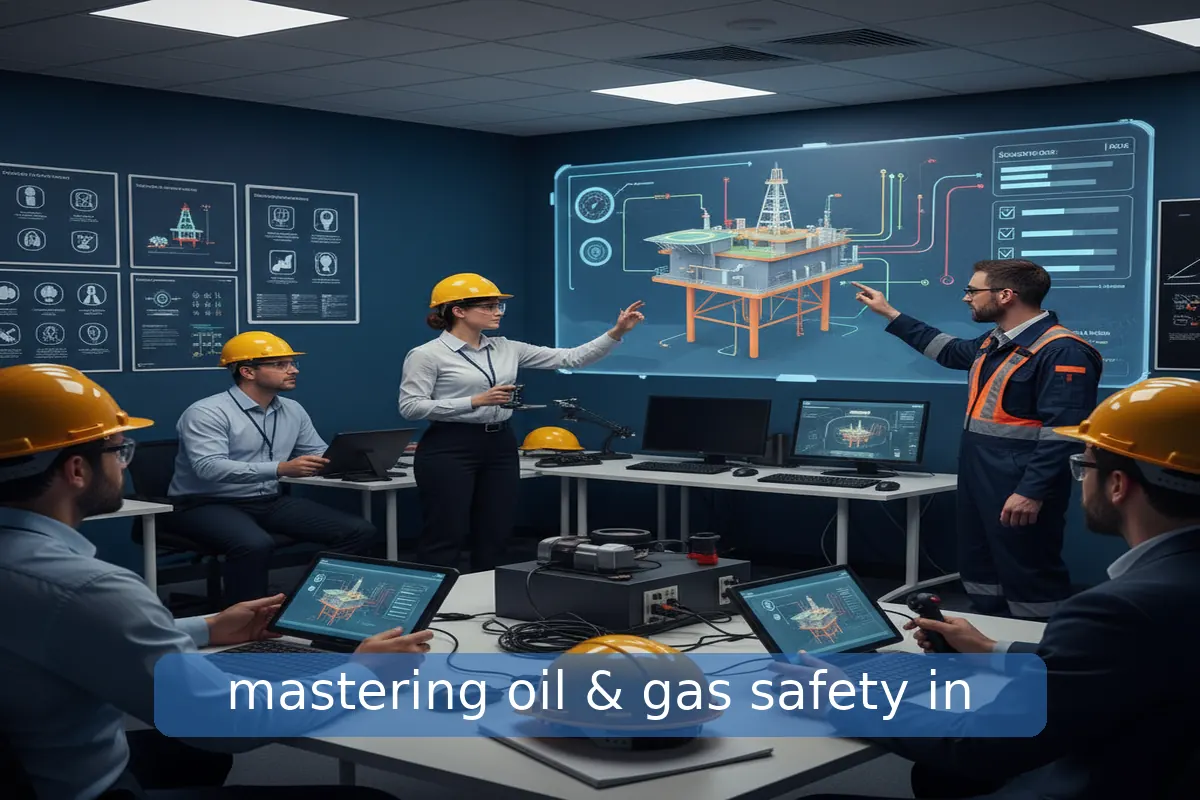
Comparing In-Person vs. Online Oil & Gas Safety Training: Which Format Suits Your Needs?
In 2026, professionals have more flexibility than ever in how they access essential training. Both in-person and online formats offer distinct advantages, and the optimal choice often depends on individual circumstances, learning styles, and organisational requirements.
Choosing the right format:
-
For highly practical, hands-on skills like emergency response, specific equipment operation, or intricate safety system diagnostics, in-person training is often superior. It offers the immersive environment needed for true competency development.
-
For theoretical knowledge, regulatory updates, or foundational safety concepts, online training (especially live virtual sessions that maintain interaction) provides excellent flexibility and cost-effectiveness. It’s particularly beneficial for geographically dispersed teams or individuals with tight schedules.
-
Many organisations adopt a blended learning approach, combining online modules for theoretical understanding with shorter, intensive in-person practical sessions. This often provides the best of both worlds.
What Common Mistakes Should You Avoid When Choosing Oil & Gas Safety Training?
Selecting the wrong safety training can be a costly error, leading to insufficient preparedness, non-compliance, and a false sense of security. As a seasoned expert, I’ve observed several recurring mistakes that professionals and organisations should actively avoid:
-
Mistake 1: Prioritising Cost Over Quality:
- The Trap: Opting for the cheapest course without thoroughly vetting its content, instructors, and accreditation.
- Why it’s a mistake: Low-cost providers often cut corners on curriculum depth, instructor experience, or practical elements. This can result in superficial learning that fails to equip participants for real-world scenarios, potentially leading to critical safety gaps.
- Expert Advice: View safety training as an investment, not an expense. Focus on value, comprehensive coverage, and recognised certification.
-
Mistake 2: Ignoring Specific UK Regulatory Requirements:
- The Trap: Relying solely on generic international certifications or courses not specifically adapted to UK legislation and best practices.
- Why it’s a mistake: While international standards are important, the UK has its own nuanced regulatory framework (e.g., HSE guidelines, COMAH regulations for major accident hazards). Non-compliance due to a lack of UK-specific knowledge can result in severe legal and financial repercussions.
- Expert Advice: Always confirm that the training explicitly covers UK regulatory compliance and integrates relevant case studies or examples from the UK context.
-
Mistake 3: Neglecting the Instructor’s Field Experience:
- The Trap: Assuming that academic credentials alone qualify an instructor to teach practical safety.
- Why it’s a mistake: Safety in oil and gas is highly practical. Instructors without direct field experience often lack the nuance, real-world context, and practical problem-solving insights that are crucial for effective learning. They might teach “what to do” but not “how to adapt when things go wrong.”
- Expert Advice: Inquire about the instructors’ professional backgrounds, years of industry experience, and specific roles held within the oil and gas sector.
-
Mistake 4: Overlooking the Need for Practical Application:
- The Trap: Choosing purely theoretical courses that focus heavily on lectures and minimal hands-on or simulated exercises.
- Why it’s a mistake: Safety skills, especially for emergency response or equipment operation, cannot be truly mastered without practical application. A theoretical understanding without the ability to perform under pressure is a critical vulnerability.
- Expert Advice: Look for courses that include simulations, workshops, case studies, or even site visits where appropriate. Ensure there’s a strong emphasis on applying knowledge.
-
Mistake 5: Failing to Assess Organisational vs. Individual Needs:
- The Trap: Sending employees to generic courses without first conducting a thorough training needs analysis for the organisation or individual roles.
- Why it’s a mistake: Different roles (e.g., offshore rig worker, process engineer, safety manager) require different levels and types of safety training. A one-size-fits-all approach is inefficient and ineffective.
- Expert Advice: Conduct a skills gap analysis. Identify specific competencies required for each role and select training that directly addresses those gaps, potentially including specialised courses like “Leadership and Strategic Thinking in the Oil and Gas Industry” for management.
Avoiding these common pitfalls will significantly enhance the effectiveness of your oil and gas safety training investment, ensuring better preparedness and a stronger safety culture.
How Does Specialised Safety Training Impact Career Progression and Operational Excellence?
Investing in specialised oil and gas safety training offers profound benefits, not just for individual career trajectories but also for an organisation’s overall operational excellence and resilience.
For Individual Career Progression:
-
Enhanced Employability and Mobility: In a competitive job market, certified safety expertise makes professionals highly desirable. It opens doors to new roles, promotions, and opportunities both within the UK and internationally. Certifications from reputable bodies demonstrate a commitment to best practices.
-
Increased Confidence and Leadership Potential: Deep knowledge of safety protocols empowers individuals to act decisively in critical situations. This confidence translates into stronger leadership capabilities, as they can effectively guide teams, implement safety measures, and contribute to a proactive safety culture. Courses like “Leading with Confidence” or “Leadership, Influence and Trust” build on this foundation.
-
Higher Earning Potential: Specialists in high-demand areas like process safety, risk management, or environmental compliance often command higher salaries due to their critical skills and the value they bring in mitigating significant risks.
-
Professional Recognition and Respect: Being a recognised expert in oil and gas safety earns respect from peers, superiors, and industry stakeholders. It positions an individual as a valuable asset, entrusted with critical responsibilities.
For Operational Excellence:
-
Reduced Incidents and Accidents: This is the most direct impact. Well-trained personnel are better equipped to identify hazards, follow procedures, and respond effectively to emergencies, drastically reducing the likelihood of accidents, injuries, and fatalities.
-
Improved Compliance and Reduced Legal Risk: Comprehensive training ensures adherence to the latest UK and international regulations, minimising the risk of fines, legal action, and reputational damage. It fosters a culture where compliance is ingrained, not just a checklist item.
-
Enhanced Efficiency and Productivity: Counterintuitively, strong safety protocols often lead to greater efficiency. When workers feel safe, they are more focused and productive. Furthermore, preventing incidents avoids costly downtime, repairs, and investigations. Courses like “Continuous Innovation and Process Improvement” often highlight the link between safety and efficiency.
-
Stronger Organisational Culture: A commitment to safety training signals that an organisation values its people. This builds trust, boosts morale, and fosters a positive safety culture where employees are empowered to speak up about concerns and actively participate in safety initiatives.
-
Competitive Advantage: Companies with superior safety records and well-trained workforces gain a competitive edge. They are often preferred partners for joint ventures, attract top talent, and demonstrate a commitment to responsible operations that resonates with investors and the public. This aligns with broader ESG (Environmental, Social, and Governance) objectives.
Who Benefits Most from Advanced Oil & Gas Safety Training in the UK?
Advanced oil and gas safety training is not a one-size-fits-all solution; its benefits are particularly pronounced for specific roles and career stages within the industry. Understanding who stands to gain the most helps in strategic professional development.
-
Front-Line Workers and Technicians:
- Roles: Rig operators, maintenance technicians, process operators, field engineers, construction workers on oil and gas sites.
- Benefit: These individuals are at the highest risk of exposure to hazards. Advanced training equips them with critical skills for hazard identification, safe work procedures, emergency response, and proper use of PPE, directly preventing accidents and ensuring personal safety. It covers topics like “Operation, Diagnostics and Maintenance of Equipment for Oil and Gas Production” and “Hazardous Area Classification.”
-
Supervisors and Team Leaders:
- Roles: Shift supervisors, team leaders, foremen, lead technicians.
- Benefit: Beyond personal safety, supervisors need to manage the safety of their teams. Training in risk assessment, incident investigation, safety leadership, and communication is crucial. Courses such as “Leadership and Management Skills for Supervisors” or “Improving Productivity and Employee Engagement thru Effective Front Line Leadership” are highly relevant. They learn to implement safety protocols and foster a proactive safety culture within their teams.
-
Safety Officers and HSE Professionals:
- Roles: HSE managers, safety advisors, compliance officers, risk managers.
- Benefit: This group requires the most in-depth and up-to-date knowledge of regulations, risk management frameworks (e.g., Effective Business Risk Management Strategies using ISO 31000 Framework), auditing techniques, and emergency planning. Advanced training allows them to design, implement, and audit comprehensive safety management systems effectively.
-
Engineers (Process, Mechanical, Electrical, etc.):
- Roles: Design engineers, process engineers, project engineers involved in facility design, modification, or operation.
- Benefit: Engineers influence safety at the design stage. Training in areas like Process Plant Optimization, Safety in Process Equipment Design and Operation, or Root Cause Failure Analysis enables them to integrate safety features, predict failure points, and ensure inherent safety in systems and processes.
-
Project Managers and Senior Management:
- Roles: Project directors, operations managers, strategic leaders, executives.
- Benefit: While not directly involved in day-to-day operations, senior leaders set the safety culture and allocate resources. Training in Strategic Crisis Management, Organisational Resilience, and Leadership and Strategic Impact helps them understand the strategic importance of safety, make informed decisions, and ensure safety is integrated into business strategy.
-
New Entrants and Graduate Trainees:
- Roles: Graduates beginning their careers in the oil and gas sector.
- Benefit: Foundational safety training is crucial for new professionals to understand the inherent risks of the industry, establish safe working habits from the outset, and quickly become productive, safety-conscious team members.
Essentially, anyone whose work impacts or is impacted by the operational safety of oil and gas facilities will derive significant value from targeted, high-quality safety training.
Choosing Your Oil & Gas Safety Training: A Decision Framework
Navigating the myriad of oil and gas safety training options can be challenging. This framework provides a structured approach to help you make an informed decision, ensuring your investment yields maximum safety and career benefits.
-
Assess Your Specific Needs & Goals:
- Current Role & Responsibilities: What are your daily tasks and the specific hazards you encounter?
- Career Aspirations: Are you aiming for a promotion, a new specialisation (e.g., process safety, environmental management), or a leadership role?
- Organisational Requirements: Does your company mandate specific certifications or training for your role?
- Skill Gaps: Identify any areas where your current safety knowledge or skills are deficient.
- Action: Create a list of essential competencies you need to acquire or enhance.
-
Evaluate Programme Content & Curriculum:
- Relevance: Does the course content directly address your identified needs and goals?
- Depth: Is the coverage comprehensive, or does it only skim the surface? Look for detailed module breakdowns.
- UK Specificity: Does it explicitly cover current UK regulations (HSE, OEUK) and industry best practices?
- Practicality: Does the curriculum include case studies, simulations, or practical exercises?
- Action: Request a detailed course outline and compare it against your competency list.
-
Investigate Instructor Qualifications & Experience:
- Field Expertise: Do the instructors have verifiable, extensive hands-on experience in the oil and gas industry, particularly in safety-critical roles?
- Teaching Acumen: Are they known for their ability to convey complex information clearly and engage participants effectively?
- Action: Research instructor bios, look for testimonials mentioning their teaching style, and if possible, attend an introductory session or webinar.
-
Verify Accreditation & Recognition:
- Certifying Bodies: Is the certification internationally recognised (e.g., by API, NEBOSH, IOSH, or other reputable global/UK bodies)?
- Provider Reputation: What is the standing of the training provider in the industry? Are they accredited by relevant educational or professional bodies?
- Action: Check the provider’s website for accreditation logos and verify them with the certifying bodies if unsure.
-
Consider Learning Format & Logistics:
- In-Person vs. Online: Which format best suits your learning style, schedule, and the practical nature of the skills to be learned?
- Location & Travel: If in-person, is the location (e.g., Kuala Lumpur for international exposure, or a UK-based centre) convenient and cost-effective?
- Flexibility: Does the schedule accommodate your work commitments? Are there self-paced options if needed?
- Action: Weigh the pros and cons of each format against your personal and professional constraints.
-
Review Testimonials & Case Studies:
- Participant Feedback: What do past participants say about the course’s effectiveness, the instructors, and the overall learning experience?
- Organisational Impact: Are there any success stories or case studies demonstrating how the training has benefited other companies?
- Action: Look for genuine, detailed testimonials on the provider’s website, LinkedIn, or independent review platforms.
By systematically working through this framework, you can confidently select oil and gas safety training that truly aligns with your needs and delivers tangible benefits for your career and your organisation’s safety objectives.
Expert Insight
“The landscape of oil and gas safety is continuously evolving, driven by technological advancements, stricter environmental mandates, and a non-negotiable imperative to protect human life. In 2026, the most effective safety training programs are those that not only meet current regulatory benchmarks but also anticipate future challenges, fostering a proactive safety mindset deeply integrated into every operational layer. It’s about building a culture of vigilance and continuous improvement, where safety is seen as an enabler of excellence, not merely a cost center.” — Industry experts confirm that a forward-looking approach to safety training is crucial for sustained success.
Key Terms
-
Hazard Identification: The process of recognising potential sources of harm or danger in the workplace, such as hazardous materials, equipment malfunctions, or unsafe procedures.
-
Risk Assessment: The systematic process of identifying hazards, analysing the likelihood and severity of harm, and determining appropriate control measures to reduce risk to an acceptable level.
-
Process Safety Management (PSM): A comprehensive management system focused on preventing catastrophic accidents, particularly those involving highly hazardous chemicals, by integrating technology, facilities, and personnel practices.
-
Offshore Energies UK (OEUK): The leading trade body for the UK offshore energy industry, representing companies involved in oil, gas, and offshore renewables, and playing a key role in developing industry safety standards.
-
Human Factors: The study of how people interact with their work environment, equipment, and systems, aiming to optimise human performance and reduce the potential for errors that could lead to accidents.
How Can BMC Training Support Your Professional Growth?
At BMC Training, we understand the unique and critical demands of the oil and gas industry, especially for professionals in the UK and those operating globally. In 2026, our specialised safety training programmes are meticulously designed to ensure you not only meet but exceed industry standards and regulatory expectations. We offer:
-
UK-Centric & Globally Relevant Content: Our courses integrate the latest UK HSE guidelines with international best practices (like API standards), ensuring you gain competencies that are immediately applicable locally and recognised worldwide.
-
Expert-Led Instruction: Learn from seasoned industry veterans who bring years of practical, on-the-ground experience directly into the classroom, offering invaluable insights and real-world case studies that go beyond theoretical knowledge.
-
Flexible Learning Options: Whether you prefer the immersive experience of in-person training in strategic locations, or the convenience and flexibility of live virtual or self-paced online modules, we have a format to suit your professional and personal schedule.
-
Comprehensive Curriculum: From fundamental hazard identification and risk assessment to advanced topics like Strategic Crisis Management, Environmental Monitoring and Modelling, and Process Plant Optimization, our diverse portfolio covers every facet of oil and gas safety.
-
Recognised Certification: Earn certifications that enhance your professional credibility, boost your career progression, and demonstrate your commitment to operational excellence and safety leadership.
Empower yourself with the knowledge and skills needed to navigate the complexities of oil and gas safety in 2026. Join BMC Training to safeguard operations, protect lives, and advance your career with confidence. Explore our extensive range of courses today and invest in a safer, more prosperous future.
Frequently Asked Questions
Q: What is the primary focus of BMC Training’s oil and gas safety programmes in 2026?
Q: Are BMC Training’s safety certifications recognised internationally?
Q: Who are the instructors for BMC Training’s oil and gas safety courses?
Q: Can I attend BMC Training’s oil and gas safety courses online?
Q: What specific types of safety topics are covered in the training?
Q: How can an organisation ensure BMC Training’s courses meet their specific corporate safety objectives?