

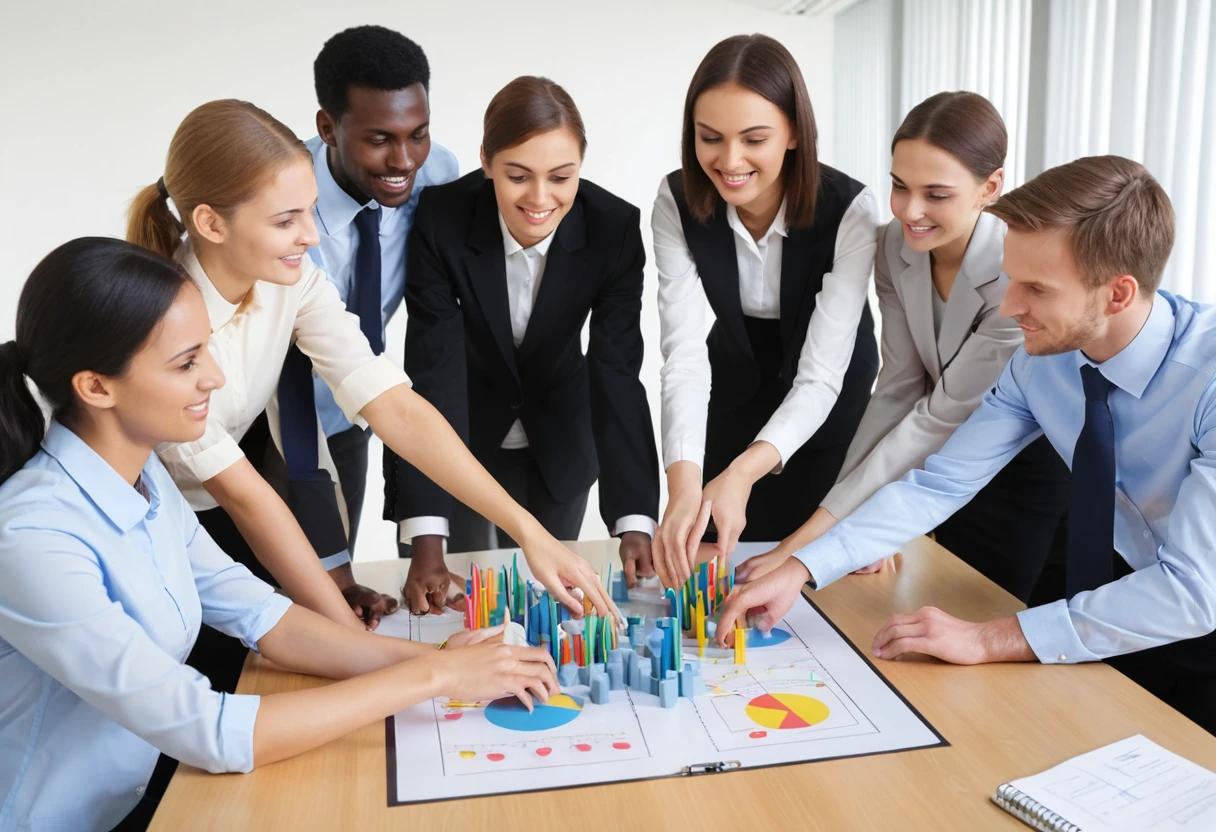
Effective HR Team Building Activities to Boost Workplace Collaboration
Introduction
In today’s fast-paced corporate environment, effective human resource activities are essential for fostering collaboration and enhancing workplace morale. Team building is not just a buzzword; it is a strategic approach that HR professionals must embrace to cultivate a cohesive work environment. By implementing targeted HR team building activities, organizations can improve communication, increase productivity, and ultimately drive organizational success. This article delves into various team building activities tailored for HRM, providing insights into their importance and best practices for implementation.
Quick Summary
- Discover various HR team building activities to enhance collaboration.
- Learn best practices for effective team building in HRM.
- Understand the importance of team building for organizational success.
What Is Team Building in HRM?
Team building in Human Resource Management (HRM) refers to a series of activities designed to enhance social relations and define roles within teams. It aims to improve collaboration, communication, and overall team dynamics. Effective team building fosters a sense of belonging among employees, which is crucial for maintaining high morale and job satisfaction.
HR Team Building Activities
HR team building activities can vary widely, from simple icebreakers to complex problem-solving exercises. These activities are designed to engage employees, encourage teamwork, and develop essential skills that contribute to a positive workplace culture. Here are some effective HR team building activities:
Icebreaker Activities
Icebreaker activities are a great way to kick off team building sessions. They help break down barriers and encourage open communication among team members. Examples include:
* Two Truths and a Lie
* Human Bingo
* The Marshmallow Challenge
Problem-Solving Activities
Problem-solving activities challenge teams to work together to find solutions to specific issues. These activities not only enhance critical thinking but also foster collaboration. Examples include:
* Escape Room Challenges
* Group Brainstorming Sessions
* Case Study Analysis
Communication-Based Activities
Effective communication is the backbone of any successful team. Activities that focus on improving communication skills can lead to better collaboration. Examples include:
* Active Listening Exercises
* Role-Playing Scenarios
* Feedback Circles
Outdoor and Physical Activities
Outdoor activities can invigorate teams and promote bonding in a relaxed environment. These activities often require teamwork and strategic thinking. Examples include:
* Team Sports (e.g., soccer, volleyball)
* Obstacle Courses
* Scavenger Hunts
Creative and Fun Activities
Injecting creativity into team building can lead to innovative thinking and a more enjoyable work atmosphere. Examples include:
* Art Workshops
* Cooking Classes
* Team Talent Shows

Virtual Team-Building Activities
With the rise of remote work, virtual team-building activities have become essential. These activities help maintain team cohesion despite physical distance. Examples include:
* Virtual Trivia Games
* Online Escape Rooms
* Remote Coffee Breaks
Best Practices for Team Building
To maximize the effectiveness of team building activities, consider the following best practices:
* Set Clear Objectives: Define what you want to achieve with each activity.
* Tailor Activities to Your Team: Choose activities that align with your team’s dynamics and preferences.
* Encourage Participation: Ensure that all team members feel included and valued.
* Debrief After Activities: Discuss what was learned and how it can be applied in the workplace.
The Importance of Team Building in HRM
Team building is crucial in HRM as it directly impacts employee engagement and retention. A well-structured team building program can lead to:
* Improved communication and collaboration.
* Increased employee morale and job satisfaction.
* Enhanced problem-solving capabilities.
* Stronger relationships among team members.
Key Components of Team Building
Successful team building initiatives typically include:
* Trust Building: Activities that foster trust among team members.
* Role Clarity: Ensuring everyone understands their roles and responsibilities.
* Conflict Resolution: Teaching teams how to handle conflicts constructively.
* Goal Alignment: Aligning team goals with organizational objectives.
Types of Team-Building Activities
There are various types of team-building activities, each serving a unique purpose. These include:
* Social Activities: Focus on building relationships.
* Skill Development Activities: Enhance specific skills relevant to the team’s work.
* Strategic Planning Workshops: Align team efforts with organizational goals.
Challenges in Team Building
Organizations often face challenges when implementing team-building programs, such as:
* Resistance from employees.
* Lack of time and resources.
* Difficulty in measuring effectiveness.
Best Practices for Effective Team Building
To overcome these challenges, consider the following:
* Involve Employees in Planning: Get input from team members on activities.
* Allocate Resources: Ensure you have the necessary time and budget.
* Measure Success: Use surveys and feedback to assess the impact of activities.
The Role of HR in Team Building
HR plays a pivotal role in facilitating team building. Responsibilities include:
* Identifying team needs and challenges.
* Designing and implementing team-building programs.
* Evaluating the effectiveness of initiatives.
How Team Building Impacts Organizational Success
Effective team building can lead to:
* Higher employee engagement and productivity.
* Reduced turnover rates.
* Enhanced innovation and creativity.
Team Building Workshops for Strategic Planning
Strategic planning workshops are an excellent way to align team efforts with organizational goals. Here are some effective workshops:
1. Vision and Mission Alignment Workshop
This workshop helps teams understand and align with the organization’s vision and mission.
2. SWOT Analysis Workshop
Teams analyze strengths, weaknesses, opportunities, and threats to develop strategic plans.
3. Goal-Setting Workshop (OKRs/SMART Goals)
Focus on setting clear, measurable objectives for the team.
4. Scenario Planning Workshop
Teams explore potential future scenarios and develop strategies to address them.
5. Business Model Canvas Workshop
A hands-on approach to developing and refining business models.
6. Strategic Roadmap Workshop
Teams create a roadmap for achieving long-term goals.

7. Innovation and Problem-Solving Workshop
Encourages creative thinking and collaborative problem-solving.
8. Empathy Mapping Workshop
Helps teams understand customer needs and perspectives.
9. The Five Whys Workshop
A technique to identify root causes of problems.
10. Cross-Departmental Collaboration Workshop
Promotes collaboration between different departments.
Bonus Tips for Success
- Follow Up: Ensure that the lessons learned are applied in the workplace.
- Celebrate Successes: Recognize and celebrate team achievements.
- Continuous Improvement: Regularly assess and refine team-building initiatives.
| Feature | In-Person Activities | Virtual Activities |
|---|---|---|
| Engagement Level | High | Moderate |
| Cost | Varies by location | Generally lower |
| Team Bonding | Immediate | Gradual |
| Flexibility | Limited | High |
| Accessibility | Location-dependent | Global |
Comparison of key aspects.
Why HR Professionals Need Training in Team Building
HR professionals must be equipped with the skills and knowledge to effectively facilitate team building. Training can provide:
* Insights into team dynamics.
* Strategies for overcoming challenges.
* Tools for measuring success.
Features of Our Course on Team Building
Our comprehensive course on team building includes:
* Interactive workshops.
* Real-world case studies.
* Expert-led sessions.
Build Stronger Teams with BMC Training – Enroll Today!
Transform your workplace culture and enhance collaboration through effective team building. Enroll in our specialized training programs today and take the first step towards building stronger teams.
Frequently Asked Questions (FAQ)
Q: What are some examples of effective human resource activities for team building?
Q: How do human resource activities improve workplace collaboration?
Q: Can virtual human resource activities be effective for remote teams?
Q: How often should HR team building activities be conducted?
Q: What is the role of HR in organizing team building activities?
Q: Are there any specific human resource activities that cater to diverse teams?