


Culture building in Human Resource Management (HRM) is a strategic approach that focuses on creating and nurturing a positive organizational culture. It encompasses the values, beliefs, and behaviors that shape how employees interact with each other and with the organization as a whole. A strong HR culture not only enhances employee satisfaction and retention but also drives productivity and innovation. In today’s competitive landscape, organizations that prioritize culture building are better positioned to attract top talent and foster a cohesive work environment. This comprehensive guide will delve into the various aspects of culture building in HRM, providing insights into its importance, key components, and effective strategies for implementation.
Quick Summary
- Understand the significance of HR culture.
- Discover best practices for culture management.
- Learn about essential HR tools for culture building.
What Is Culture Building in HRM?
Culture building in HRM refers to the deliberate efforts made by organizations to develop and maintain a positive workplace culture. This involves defining core values, establishing norms, and creating an environment where employees feel valued and engaged. The process of culture building is not a one-time initiative but a continuous effort that requires commitment from all levels of the organization. By fostering a strong culture, organizations can enhance employee morale, improve collaboration, and ultimately achieve their business objectives.
The Importance of Culture Building in HRM
The significance of culture building in HRM cannot be overstated. A well-defined organizational culture serves as a foundation for employee engagement, retention, and overall performance. Here are some key reasons why culture building is crucial:
- Employee Engagement: A positive culture fosters higher levels of employee engagement, leading to increased productivity and job satisfaction.
- Attracting Talent: Organizations with a strong culture are more likely to attract top talent, as candidates often seek workplaces that align with their values.
- Retention Rates: A supportive culture reduces turnover rates, saving organizations the costs associated with recruiting and training new employees.
- Innovation and Collaboration: A culture that encourages open communication and collaboration can lead to greater innovation and problem-solving.
Key Components of Culture Building
To effectively build a strong organizational culture, several key components must be considered:
- Core Values: Clearly defined core values serve as the guiding principles for behavior within the organization.
- Leadership Commitment: Leaders must model the desired culture through their actions and decisions.
- Employee Involvement: Engaging employees in the culture-building process ensures that their voices are heard and valued.
- Continuous Improvement: Culture building is an ongoing process that requires regular assessment and adaptation.
Types of Organizational Cultures
Understanding the different types of organizational cultures can help HR professionals tailor their culture-building strategies:
- Clan Culture: Focuses on collaboration and teamwork, often resembling a family-like environment.
- Adhocracy Culture: Emphasizes innovation and risk-taking, encouraging employees to think outside the box.
- Market Culture: Driven by competition and achieving results, this culture prioritizes performance and goal attainment.
- Hierarchy Culture: Characterized by structured processes and clear authority, this culture values stability and efficiency.
Challenges in Culture Building
Despite the benefits, organizations may face several challenges in culture building:
- Resistance to Change: Employees may resist cultural changes, especially if they are not involved in the process.
- Misalignment with Business Goals: If the culture does not align with the organization’s strategic objectives, it can lead to confusion and disengagement.
- Lack of Leadership Support: Without strong support from leadership, culture-building initiatives may falter.
- Inconsistent Messaging: Mixed messages about the desired culture can create confusion and undermine efforts.
Best Practices for Culture Building in HRM
To successfully build a thriving workplace culture, consider implementing these best practices:
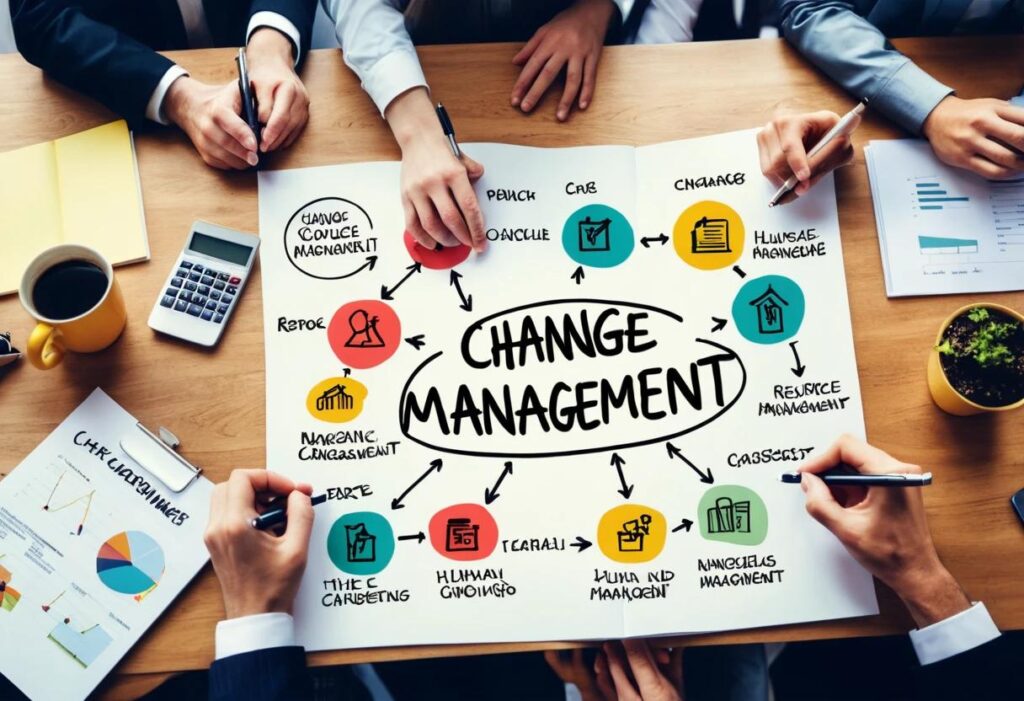
- Define and Communicate Core Values: Ensure that core values are clearly defined and communicated throughout the organization.
- Engage Employees: Involve employees in culture-building initiatives to foster a sense of ownership and commitment.
- Provide Training and Development: Offer training programs that align with the desired culture and support employee growth.
- Recognize and Reward Positive Behavior: Implement recognition programs that celebrate employees who exemplify the organization’s values.
HR Tools for Culture Building
Utilizing the right HR tools can significantly enhance culture-building efforts. Here are some essential tools:
1. Employee Engagement & Feedback
Tools such as surveys and feedback platforms can help gauge employee sentiment and identify areas for improvement.
2. Recognition & Rewards
Implementing recognition software can streamline the process of acknowledging employee achievements and contributions.
3. Internal Communication & Collaboration
Utilizing collaboration tools like Slack or Microsoft Teams can facilitate open communication and teamwork.
4. Onboarding & Learning
Structured onboarding programs and learning management systems can ensure new hires are integrated into the culture effectively.
5. Values & Mission Alignment
Tools that help align employee goals with organizational values can reinforce the desired culture.
6. Wellness & DEI (Diversity, Equity, Inclusion)
Programs that promote wellness and DEI initiatives can enhance employee satisfaction and foster an inclusive culture.

The Role of HR in Culture Building
HR plays a pivotal role in culture building by:
- Facilitating Communication: HR professionals can act as liaisons between leadership and employees, ensuring that cultural initiatives are communicated effectively.
- Implementing Training Programs: HR is responsible for developing and delivering training programs that align with the organization’s culture.
- Monitoring Culture: Regular assessments of the organizational culture can help HR identify strengths and areas for improvement.
- Promoting Diversity and Inclusion: HR can lead initiatives that foster a diverse and inclusive workplace culture.
HR Strategies for Culture Building
To effectively build and maintain a strong organizational culture, HR professionals should consider the following strategies:
1. Define and Live Core Values
Clearly articulate the organization’s core values and ensure they are reflected in everyday practices.
2. Hire for Cultural Fit (and Add)
Recruit candidates who align with the organization’s values and can contribute positively to the culture.
3. Leadership Modeling
Encourage leaders to model the desired culture through their behavior and decision-making.
4. Continuous Feedback & Open Communication
Foster an environment where feedback is encouraged and communication is open and transparent.
5. Recognition and Reward Systems
Implement systems that recognize and reward employees who exemplify the organization’s values.

6. Employee Development & Empowerment
Provide opportunities for employee growth and empowerment to enhance engagement and satisfaction.
7. Diversity, Equity, and Inclusion (DEI) Initiatives
Develop and implement DEI initiatives that promote a culture of inclusivity and respect.
8. Promote Work-Life Balance & Wellbeing
Encourage practices that support work-life balance and employee wellbeing.
9. Rituals and Traditions
Establish rituals and traditions that reinforce the organization’s culture and foster a sense of belonging.
10. Measure and Evolve Culture
Regularly assess the organizational culture and make necessary adjustments to ensure it remains aligned with business goals.
| Feature | Option A | Option B |
|---|---|---|
| Employee Engagement | Surveys and Feedback Tools | Focus Groups |
| Recognition Systems | Peer-to-Peer Recognition | Managerial Recognition |
| Communication Tools | Intranet Platforms | Team Collaboration Apps |
| Onboarding Processes | Structured Programs | Mentorship Initiatives |
| Wellness Programs | Physical Health Initiatives | Mental Health Support |
Comparison of key aspects.
Why HR Professionals Need Training in Culture Building
Training in culture building is essential for HR professionals to effectively lead cultural initiatives. It equips them with the knowledge and skills needed to:
- Understand the complexities of organizational culture.
- Implement effective culture-building strategies.
- Navigate challenges and resistance to change.
- Measure and assess the impact of culture-building efforts.
Features of Our Course on Culture Building
Our course on culture building offers:
- Comprehensive modules covering key aspects of culture management.
- Interactive learning experiences to engage participants.
- Real-world case studies to illustrate best practices.
- Expert insights from industry leaders.
- Networking opportunities with fellow HR professionals.
Build a Thriving Workplace Culture with BMC Training – Enroll Now!
Invest in your organization’s future by enrolling in our culture-building course today. Equip your HR team with the tools and strategies needed to create a thriving workplace culture that drives success.
Frequently Asked Questions (FAQ)
Q: What is HR culture?
Q: Why is culture building important in HR management?
Q: How can organizations assess their current HR culture?
Q: What are some effective strategies for building a positive HR culture?
Q: How does HR culture impact recruitment and retention?
Q: Can HR culture evolve over time, and if so, how?