


For UK professionals in 2026, the optimal project management courses and certifications strategically balance globally recognised credentials like the PMP® with UK-specific frameworks such as PRINCE2®, alongside modern Agile methodologies. Success in a dynamic UK economy hinges on training that not only imparts robust theoretical knowledge but also fosters practical application, enabling project managers to effectively lead complex initiatives, drive innovation, and achieve organisational objectives while accelerating career growth.
Quick Summary
- For UK professionals in 2026, the best project management courses blend global credentials (PMP) with UK-centric frameworks (PRINCE2) and adaptable Agile methodologies
- selecting the right path depends on your experience, career goals, and target industry
- online learning offers flexibility, but quality and practical application are paramount
- essential soft skills and strategic thinking are crucial beyond certification
What are the Most Recognised Project Management Certifications for UK Professionals in 2026?
Navigating the competitive UK job market as a project manager requires credentials that resonate with employers and demonstrate a robust skill set. In 2026, several certifications stand out for their global recognition and strong demand within the UK. The choice often depends on your career stage, industry focus, and the methodologies prevalent in your target organisations.
Here are the top project management certifications highly valued in the UK:
-
Project Management Professional (PMP)®:
- Global Standard: Awarded by the Project Management Institute (PMI), PMP is arguably the most globally recognised certification, signifying advanced project management skills and experience.
- UK Relevance: Highly respected across all sectors in the UK, particularly in larger corporations, IT, engineering, and consulting, where a structured, process-driven approach is valued. It validates your ability to lead and direct projects across diverse methodologies.
- Focus: Emphasises predictive, Agile, and hybrid approaches, covering the entire project lifecycle, scope, schedule, cost, quality, resources, communications, risk, procurement, and stakeholder management.
-
PRINCE2® (Projects IN Controlled Environments):
- UK Origin: Developed by the UK government, PRINCE2 is the de facto standard for project management in the UK, especially within public sector, government, and many private organisations.
- Methodology-Focused: It’s a process-based method for effective project management, providing a clear, scalable framework for managing all types of projects.
- Levels: Offers Foundation (entry-level understanding) and Practitioner (ability to apply PRINCE2 to real projects) certifications. PRINCE2 Agile® also combines the structure of PRINCE2 with Agile principles.
-
Agile Certifications (e.g., Scrum Master, SAFe Agilist):
- Adaptability & Speed: With increasing demand for flexibility and rapid delivery, Agile methodologies (like Scrum, Kanban, Lean) are gaining immense traction across UK industries, particularly in software development, tech, and innovative sectors.
- Key Options:
- Certified ScrumMaster (CSM)®: Focuses on the Scrum framework, enabling professionals to facilitate Scrum teams.
- SAFe® (Scaled Agile Framework) Certifications: For those managing Agile at an enterprise scale, SAFe offers various roles like SAFe Agilist, SAFe Release Train Engineer, and SAFe Product Owner/Manager.
- PMI Agile Certified Practitioner (PMI-ACP)®: A vendor-neutral certification covering multiple Agile approaches.
- UK Demand: Essential for organisations undergoing digital transformation or operating in fast-paced environments, where the ability to adapt and deliver value incrementally is critical.
-
Certified Associate in Project Management (CAPM)®:
- Entry-Level PMP: Also from PMI, CAPM is ideal for aspiring project managers or those new to the field, offering a foundational understanding of project management principles, processes, and terminology as defined in the PMBOK® Guide.
- UK Pathway: Provides a solid stepping stone for professionals in the UK looking to enter project management and eventually pursue the PMP.
Choosing the right certification often involves assessing your current experience, your desired industry, and the specific types of projects you aim to manage. Many UK professionals find value in holding a combination, such as PMP and PRINCE2, or a core certification with an Agile specialisation.
PMP vs. PRINCE2 vs. Agile: Which Project Management Qualification Suits Your UK Career Path?
Deciding between the Project Management Professional (PMP), PRINCE2, or an Agile certification is a critical strategic choice for UK professionals. Each offers distinct advantages and aligns with different career trajectories and organisational cultures. Understanding their core differences is key to selecting the qualification that best supports your ambitions in 2026.
Here’s a comparison to help you determine the best fit:
When to Choose Each Qualification:
-
Choose PMP if:
- You have substantial experience leading projects (3+ years).
- You aspire to manage complex, large-scale projects across various industries, including those with global teams.
- You want a credential that validates your leadership, strategic thinking, and ability to adapt across different methodologies (predictive, Agile, hybrid).
- You work for or aim to work for large multinational corporations or consulting firms in the UK.
-
Choose PRINCE2 if:
- You are new to project management (Foundation) or want to formalise your understanding of a structured approach (Practitioner).
- You primarily work within the UK public sector, government, or UK-centric private organisations that favour a robust, process-driven methodology.
- You value clear project governance, roles, and responsibilities, and prefer a systematic approach to project control.
- You want to complement a global certification (like PMP) with a UK-specific framework.
-
Choose Agile Certifications if:
- You work in or plan to enter the tech, software development, digital product, or innovation sectors.
- Your projects require rapid iteration, continuous feedback, and adaptability to changing requirements.
- You are a team member, Scrum Master, Product Owner, or a leader looking to implement Agile at scale (SAFe).
- You value collaboration, self-organising teams, and delivering value incrementally.
Many UK professionals find that a combination of these certifications provides the most versatile skill set. For instance, a PMP with a Scrum Master certification demonstrates both broad project leadership and specific Agile execution capabilities, making you a highly attractive candidate in the diverse UK job market.
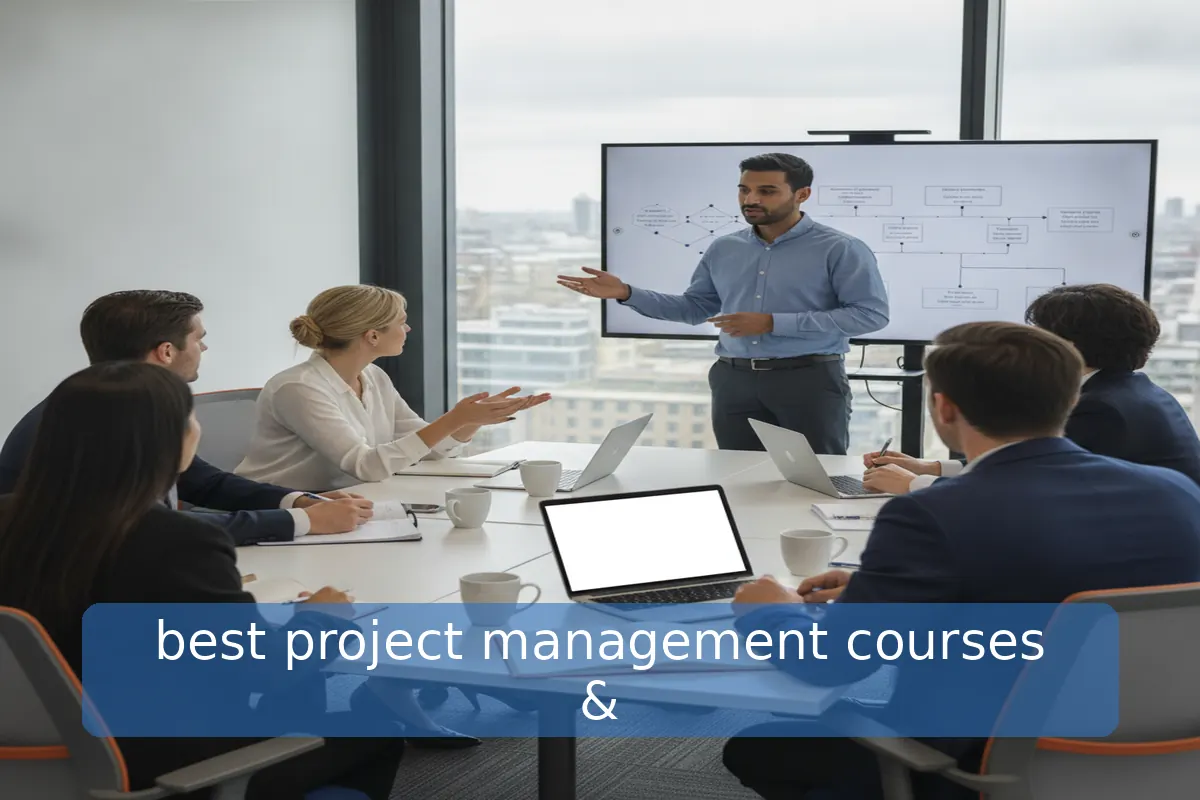
Are Online Project Management Courses Effective, and Which Options Stand Out for UK Learners?
The landscape of project management education has been significantly shaped by online learning, offering unparalleled flexibility and accessibility for UK professionals. In 2026, online project management courses are not just effective but often preferred, especially for those balancing work and personal commitments. However, their effectiveness heavily relies on the quality of the provider, the course structure, and the learner’s self-discipline.
Effectiveness of Online Project Management Courses:
-
Flexibility: Learners can study at their own pace, fitting modules around existing work schedules, which is ideal for busy professionals.
-
Accessibility: Geographic barriers are removed, allowing access to top-tier instructors and content from anywhere in the UK.
-
Cost-Effectiveness: Online courses can often be more affordable than in-person alternatives, reducing travel and accommodation expenses.
-
Diverse Formats: From self-paced video lectures and interactive exercises to live virtual classrooms and cohort-based learning, online platforms cater to various learning styles.
-
Practical Application: Reputable online courses integrate case studies, simulations, and real-world project scenarios, fostering practical application.
Key Considerations for Online Learning:
-
Accreditation: Ensure the course or certification provider is accredited by relevant bodies (e.g., PMI, Axelos, Scrum Alliance).
-
Instructor Expertise: Look for courses taught by experienced project managers with proven track records.
-
Interactive Elements: Engagement features like forums, live Q&A sessions, and group projects enhance the learning experience.
-
Support System: Access to instructors, peer communities, and technical support is crucial for online success.
-
Technology Requirements: Check if you have the necessary internet access and software for the course.
Online Options Standing Out for UK Learners in 2026:
-
BMC Training‘s Virtual and Online Courses:
- Tailored for Professionals: BMC Training offers a comprehensive suite of project management courses delivered through live virtual classrooms and self-paced online modules. These are designed with the working professional in mind, ensuring direct applicability to real-world scenarios.
- Accredited & Expert-Led: Our courses are often aligned with leading certifications (PMP, PRINCE2, Agile) and led by industry experts with extensive field experience. We provide interactive learning environments, ensuring practical skills development.
- UK Focus: Content and examples are often contextualised for the UK business environment, addressing specific challenges and opportunities.
- Relevant Internal Topics: Many BMC offerings complement core project management, such as “Effective Negotiation”, “Risk Assessment and Risk Management”, “Leadership and Strategic Impact”, “High Impact Business Communication”, and “Quality Management Essentials”. These provide a holistic skill set for a successful project manager.
-
Coursera & edX (University-Affiliated Programs):
- Reputable Institutions: Platforms like Coursera and edX host specialisations and professional certificates from world-renowned universities (e.g., University of California, Irvine’s Project Management Professional Certificate, Google Project Management Certificate).
- Flexibility: Often self-paced with weekly deadlines, allowing for integration into busy schedules.
- Content Quality: High production value and academically rigorous content.
-
PMI.org and Axelos.com (Official Training):
- Direct Source: Both PMI and Axelos offer official online resources, self-study materials, and lists of accredited training providers (ATPs). While not always full courses, they are invaluable for exam preparation and staying updated.
- Guaranteed Alignment: Training directly from or officially endorsed by the credentialing body ensures content alignment with the latest exam objectives.
-
Specialised Agile Training Providers:
- For specific Agile certifications (CSM, CSPO, SAFe), providers like Scrum.org, Scrum Alliance, and Scaled Agile offer online workshops and virtual training sessions. These are typically intensive, instructor-led, and highly interactive.
When considering online options, always look beyond just the price. Invest in a course that offers a blend of theoretical knowledge, practical exercises, expert instruction, and a supportive learning community, ensuring a robust return on your investment for your project management career.
Beyond Certifications: What Essential Skills Define a Successful UK Project Manager in 2026?
While certifications like PMP, PRINCE2, and Agile are crucial for opening doors, they are merely the foundation. In the rapidly evolving UK business landscape of 2026, truly successful project managers possess a sophisticated blend of technical proficiency, leadership acumen, and adaptive soft skills. These “power skills” are what truly differentiate an effective project leader from one who simply follows a process.
Here are the essential skills that define a successful UK project manager:
-
Strategic Thinking & Business Acumen:
- Understanding the “Why”: A project manager must connect project objectives to wider organisational goals and business strategy. This involves understanding market trends, competitive landscapes, and how projects contribute to value creation.
- BMC Connection: Our “Business Strategy Essentials” and “Strategy Design Bootcamp” courses equip professionals with the foresight to align projects with strategic imperatives.
-
Exceptional Communication & Stakeholder Management:
- Clarity & Persuasion: The ability to articulate complex information clearly, listen actively, and tailor messages to diverse audiences (from technical teams to executive boards) is paramount.
- Building Relationships: Effective stakeholder management involves identifying, engaging, and influencing all parties affected by or impacting the project, managing expectations, and resolving conflicts.
- BMC Connection: “High Impact Business Communication”, “Effective Negotiation, Persuasion and Critical Thinking”, and “Advanced Communication and Interpersonal Skills” are vital for mastering this.
-
Leadership & Team Development:
- Inspiring & Motivating: A project manager is a leader who inspires teams, fosters collaboration, and navigates challenges. This involves coaching, mentoring, and developing team members.
- Decision-Making Under Pressure: The ability to make sound, timely decisions, especially in crisis or ambiguous situations, is a hallmark of strong leadership.
- BMC Connection: “The Essentials of Leadership”, “Leadership and Decision – Making in Crisis and Emergency Situations“, “Managing and Leading in a Multi – Cultural Workplace”, and “Leadership Excellence in Handling Pressure and Stress” are directly relevant.
-
Risk Management & Problem Solving:
- Proactive Identification: Identifying potential risks, assessing their impact, and developing mitigation strategies before they become issues is critical.
- Analytical Thinking: When problems arise, the ability to analyse root causes, evaluate options, and implement effective solutions is indispensable.
- BMC Connection: “Effective Business Risk Management Strategies using ISO 31000 Framework” and “Advanced Problem Solving and Decision Making” provide structured approaches to these challenges.
-
Adaptability & Continuous Learning:
- Embracing Change: The UK business environment is dynamic. Project managers must be adaptable, open to new technologies, methodologies, and market shifts.
- Growth Mindset: A commitment to continuous professional development, staying current with industry best practices, and learning from successes and failures.
- BMC Connection: Courses like “Continuous Innovation and Process Improvement” and “Knowledge Management” foster this mindset.
-
Quality Management & Process Improvement:
- Delivering Excellence: Ensuring that project deliverables meet quality standards and stakeholder expectations is non-negotiable.
- Optimising Workflows: Continuously seeking ways to improve project processes, enhance efficiency, and reduce waste.
- BMC Connection: “Quality Management Essentials” and “Total Quality Management – Tool Box for Continual Improvement” are fundamental in this area.
Developing these skills goes beyond simply passing an exam; it requires practical application, mentorship, and ongoing professional development. For aspiring and current project managers, investing in these areas alongside formal qualifications ensures a resilient and impactful career.
How to Choose the Ideal Project Management Course: A Practical Decision Framework for UK Professionals
Selecting the best project management course or project management program in the UK requires a structured approach to ensure your investment aligns with your career aspirations and current professional needs. With numerous options available, from intensive bootcamps to university-affiliated programs, a practical decision framework can simplify your choice.
Use this checklist to guide your decision-making process:
-
Define Your Career Goals & Experience Level:
- Current Role: Are you an aspiring PM, a mid-level manager, or a senior leader?
- Career Trajectory: Do you aim for a specific industry (e.g., IT, construction, public sector), or a general PM role?
- Experience: How many years of project experience do you have? (e.g., PMP requires significant experience, CAPM is entry-level).
- Action: Clearly articulate your next 3-5 year career step.
-
Identify Required Certification & Methodology:
- Industry Standard: Is PMP, PRINCE2, or an Agile certification (e.g., Scrum, SAFe) most prevalent in your target industry in the UK?
- Methodology Fit: Do you prefer a structured, predictive approach (PRINCE2, traditional PMBOK) or an adaptive, iterative one (Agile)?
- Employer Demand: Research job descriptions for your desired roles to see which certifications are frequently requested.
- Action: Prioritise 1-2 core certifications that align with your goals.
-
Evaluate Course Provider & Accreditation:
- Accreditation: Is the provider an Authorised Training Partner (ATP) for PMI, an Accredited Training Organisation (ATO) for PRINCE2, or recognised by Scrum Alliance/Scrum.org?
- Reputation: Check reviews, testimonials, and industry standing.
- Instructor Expertise: Are instructors certified professionals with real-world project management experience?
- Action: Choose providers with strong accreditation and expert instructors.
-
Assess Course Format & Delivery:
- Learning Style: Do you prefer self-paced online, live virtual classroom, or in-person training?
- Flexibility: Does the schedule accommodate your work and personal commitments?
- Duration: How long is the course, and does it fit your timeline for certification?
- Interactive Elements: Are there opportunities for practical exercises, group work, and direct interaction with instructors?
- Action: Select a format that maximises your engagement and learning retention.
-
Review Course Content & Practicality:
- Curriculum Alignment: Does the course content thoroughly cover the exam syllabus for your chosen certification?
- Real-World Application: Does it include case studies, simulations, or hands-on projects relevant to the UK market?
- Beyond the Exam: Does it also develop essential soft skills (leadership, communication, negotiation) crucial for a project manager course?
- Action: Look for a balanced curriculum that combines theory with practical application.
-
Consider Cost & Return on Investment (ROI):
- Total Cost: Factor in course fees, exam fees, study materials, and any potential travel costs.
- Funding: Are there employer sponsorship opportunities, government grants, or payment plans available?
- Potential ROI: Research average salary increases for certified professionals in the UK.
- Action: Ensure the cost is justifiable against the expected career benefits.
-
Support & Post-Course Resources:
- Exam Prep: Does the course include mock exams, practice questions, and specific exam strategies?
- Mentorship/Coaching: Is there ongoing support from instructors or a community of learners?
- Networking: Does the provider offer opportunities to connect with other professionals?
- Action: Prioritise providers offering comprehensive support for success beyond the course completion.
By methodically working through these criteria, UK professionals can confidently select the ideal project management course or project management certification that propels their career forward in 2026.
Common Pitfalls: What Mistakes Should UK Professionals Avoid When Selecting PM Training?
Choosing the right project management training is a significant investment in your career, but it’s easy to make missteps. UK professionals, in particular, should be aware of common pitfalls that can lead to wasted time, money, and missed career opportunities. Avoiding these mistakes is as crucial as identifying the best courses.
Here are the common mistakes to steer clear of:
-
1. Chasing the “Most Popular” Certification Without Context:
- Mistake: Assuming PMP is universally the “best” or that Agile is always the future, without considering your industry, current role, or specific career goals.
- Why it’s a pitfall: A PMP might be overkill for an entry-level role in a PRINCE2-heavy public sector organisation, just as a Scrum Master certification might be less impactful in a highly traditional, waterfall-based engineering firm.
- Avoidance: Conduct thorough research into your target industries and roles. Understand the prevalent methodologies and employer expectations before committing to a certification.
-
2. Prioritising Low Cost Over Quality and Accreditation:
- Mistake: Opting for the cheapest course or a non-accredited provider, especially for intensive project management bootcamps or project management programs.
- Why it’s a pitfall: Unaccredited courses may not meet the strict requirements of credentialing bodies (e.g., PMI’s 35 contact hours for PMP eligibility), leading to wasted effort. Cheap courses often lack experienced instructors, quality materials, and crucial practical application.
- Avoidance: Always verify the provider’s accreditation (PMI ATP, PRINCE2 ATO, etc.). Invest in quality training from reputable institutions known for their expert instructors and comprehensive support.
-
3. Neglecting Practical Application and Soft Skill Development:
- Mistake: Focusing solely on theoretical knowledge and exam preparation, overlooking the critical need for practical application and essential soft skills.
- Why it’s a pitfall: Certifications validate knowledge, but employers hire for the ability to do the job. Without practical experience and strong communication, leadership, and negotiation skills, even a certified professional can struggle.
- Avoidance: Choose courses that integrate case studies, simulations, group projects, and discussions on real-world scenarios. Actively seek opportunities to apply learned concepts in your current role or through volunteer projects. Look for training that explicitly addresses leadership and communication.
-
4. Underestimating Time and Effort Commitment:
- Mistake: Enrolling in an intensive project management course without a realistic understanding of the study hours, pre-requisites, and exam difficulty.
- Why it’s a pitfall: Many certification exams, especially PMP, require significant preparation time (hundreds of hours). Overlooking this can lead to burnout, incomplete courses, or failed exams.
- Avoidance: Carefully review the course syllabus, recommended study hours, and exam difficulty. Plan your study schedule realistically and ensure you meet all pre-requisites before enrolling.
-
5. Ignoring the UK Context and Local Industry Nuances:
- Mistake: Opting for generic global training that doesn’t account for specific UK regulations, industry practices, or cultural aspects.
- Why it’s a pitfall: While global certifications are valuable, understanding how they apply within the UK context (e.g., public sector procurement processes, specific legal frameworks) is crucial.
- Avoidance: Seek out providers like BMC Training that contextualise their content for the UK market. Engage with UK-based project management communities and networks to understand local nuances.
By being mindful of these common pitfalls, UK professionals can make more informed decisions, ensuring their chosen project management training truly contributes to their career growth and effectiveness.
Maximising Your Investment: How Do UK Project Management Qualifications Lead to Tangible Career Advancement?
Investing in project management qualifications in the UK is not just about earning a certificate; it’s a strategic move designed to unlock tangible career advancement. In 2026, the demand for skilled project managers remains high across various sectors, and the right credentials can significantly enhance your marketability, earning potential, and leadership opportunities.
Here’s how project management qualifications translate into concrete career growth in the UK:
-
Enhanced Marketability & Employability:
- Resume Standout: Certifications immediately signal to recruiters and hiring managers that you possess a validated set of project management knowledge and skills.
- Preferred Candidates: Many UK job descriptions for project manager roles explicitly list PMP, PRINCE2, or Agile certifications as ‘desirable’ or ‘essential’, making certified candidates preferred.
- Broader Opportunities: Holding a recognised qualification opens doors to a wider range of industries and types of projects, from IT and construction to finance and healthcare.
-
Increased Earning Potential:
- Salary Premium: Numerous industry reports consistently show that certified project managers earn significantly more than their non-certified counterparts. In the UK, this premium can be substantial, reflecting the value employers place on proven expertise.
- Negotiation Leverage: With a sought-after certification, you gain stronger negotiation power during salary discussions and promotions.
-
Leadership Opportunities & Career Progression:
- Pathway to Senior Roles: Certifications like PMP are often stepping stones to senior project management roles, program management, or portfolio management positions. They demonstrate not just technical skills but leadership and strategic capabilities.
- Complex Project Leadership: Employers trust certified professionals with more complex, higher-stakes projects due to their demonstrated understanding of risk, governance, and stakeholder management.
- BMC Connection: Many BMC Training courses, such as “The Leadership Development Programme,” “Strategic Planning Professional,” and “Advanced Strategic Management,” build upon core PM skills, preparing you for executive leadership.
-
Improved Project Success Rates:
- Best Practices Application: Qualified project managers are equipped with industry best practices, tools, and techniques to plan, execute, and close projects more efficiently and effectively.
- Reduced Risk: A deep understanding of risk management (a core component of most certifications) leads to fewer project failures and better outcomes. This directly translates to value for the organisation.
- Stakeholder Confidence: Projects led by certified professionals often inspire greater confidence among stakeholders and clients, leading to more successful engagements and repeat business.
-
Professional Credibility & Networking:
- Peer Recognition: Being certified places you within an elite group of professionals, enhancing your credibility among peers and clients.
- Professional Networks: Certification bodies (like PMI) offer extensive networking opportunities, allowing you to connect with other industry leaders, share knowledge, and discover new opportunities.
- Continuous Development: Maintaining certifications often requires ongoing professional development (PDUs), ensuring you stay current with the latest trends and tools in the dynamic field of project management.
In essence, a project management qualification serves as a powerful accelerator for your career in the UK. It’s a clear signal of your commitment to excellence, your capability to deliver results, and your potential for leadership, ensuring a robust return on your investment in professional development.
Expert Insight
“In the UK’s evolving business landscape, project managers are no longer just process facilitators; they are strategic leaders. The blend of globally recognised certifications like PMP with UK-specific frameworks such as PRINCE2, complemented by adaptive Agile skills, is becoming the gold standard. However, the true differentiator lies in how professionals apply this knowledge, demonstrating strong leadership, communication, and strategic thinking to deliver tangible business value.”
Key Terms
-
Project Management Professional (PMP)®: A globally recognised certification from the Project Management Institute (PMI) for experienced project managers, covering predictive, Agile, and hybrid methodologies.
-
PRINCE2®: A process-based project management methodology originating in the UK, widely used in government and many private sectors for structured project control.
-
Agile Methodology: An iterative and incremental approach to project management, focusing on flexibility, collaboration, and rapid delivery of value. Examples include Scrum, Kanban, and SAFe.
-
PMBOK® Guide: The Project Management Body of Knowledge, a foundational guide published by PMI, outlining standard terminology and guidelines for project management.
-
Accredited Training Partner (ATP) / Accredited Training Organisation (ATO): A training provider officially recognised and endorsed by a certification body (e.g., PMI for ATP, Axelos for ATO) to deliver training that meets their standards.
How Can BMC Training Support Your Professional Growth?
At BMC Training, we understand the critical role that effective project management plays in organisational success and individual career advancement. As a leading provider of professional development, we are uniquely positioned to support UK professionals in mastering the complexities of project leadership.
Our comprehensive suite of project management courses and project management certification programs is meticulously designed to meet the rigorous demands of the modern UK market:
-
Accredited & Industry-Relevant Certifications: We offer training aligned with globally recognised credentials like PMP®, PRINCE2® (Foundation & Practitioner), and various Agile certifications. Our courses are developed to equip you with the knowledge and practical skills required to pass your exams and excel in your role.
-
Expert-Led Instruction: Our trainers are seasoned industry veterans and certified project managers who bring real-world experience, practical insights, and engaging teaching methodologies to every session, whether in-person, virtual, or online.
-
Holistic Skill Development: Beyond core project management, BMC Training offers a vast array of complementary courses crucial for a well-rounded project manager. These include “The Essentials of Leadership,” “Communication Essentials,” “Effective Negotiation,” “Risk Assessment and Risk Management for Oil and Gas Projects,” “Quality Management Essentials,” and “Strategic Planning Professional,” ensuring you develop both technical and crucial soft skills.
-
Flexible Learning Options: We provide diverse learning formats, including live virtual classrooms, self-paced online modules, and traditional in-person training, allowing you to choose the option that best fits your schedule and learning preferences.
-
UK Contextualisation: Our content and examples are often tailored to the UK business environment, addressing specific challenges and opportunities relevant to the local market.
-
Commitment to Excellence: With a focus on practical application and measurable outcomes, BMC Training empowers you to not only earn your desired qualification but also to immediately apply your new skills to drive project success and accelerate your career trajectory.
Invest in your future with BMC Training and transform your project management capabilities into a powerful engine for career growth and organisational impact.
Frequently Asked Questions
Q: What is the most recognised project management certification in the UK?
Q: Are online project management courses effective for career advancement?
Q: How long does it typically take to complete a project management certification?
Q: What are the prerequisites for the PMP® certification in 2026?
Q: Is Agile project management relevant for all industries in the UK?
Q: Beyond certifications, what other skills are crucial for project managers?