

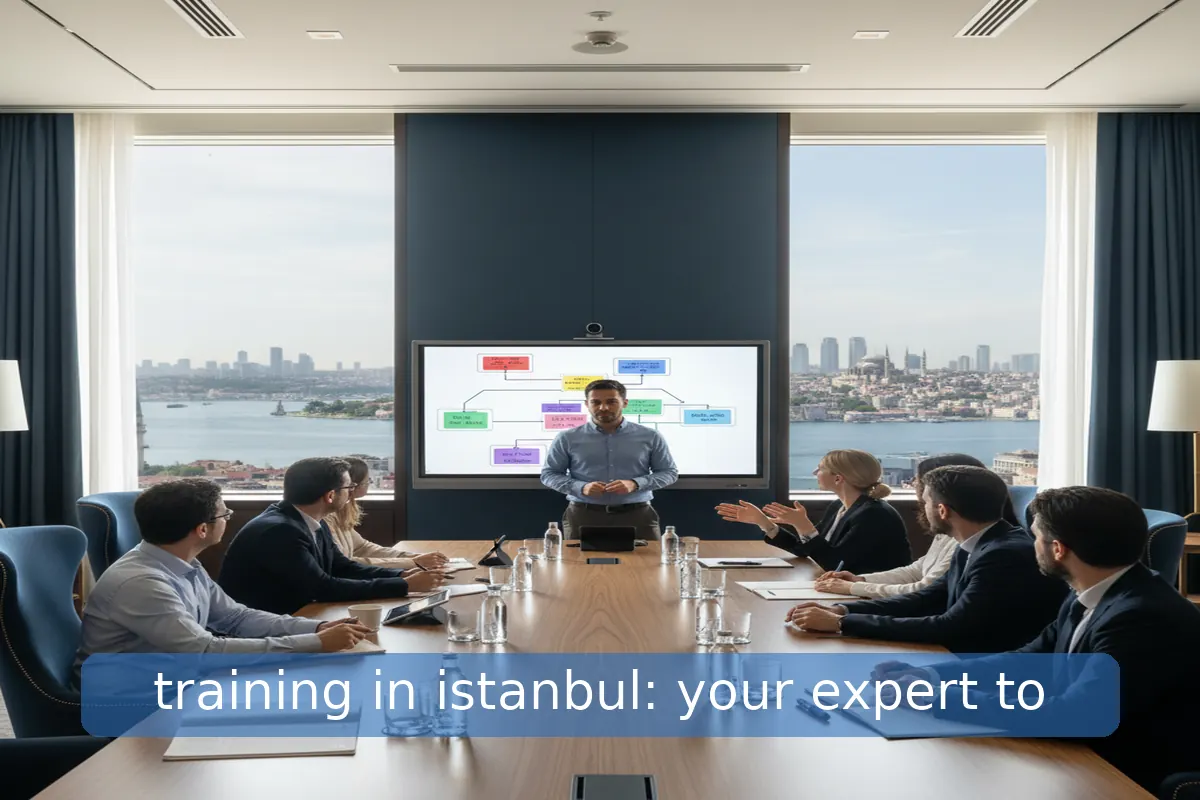
Istanbul offers a dynamic landscape for professional development, providing a wealth of training opportunities that are both high-quality and strategically positioned for career advancement in 2026. As a bridge between continents and cultures, the city boasts diverse courses, from leadership and project management to specialized sales and recruiting programs, catering to various industries. Choosing the right training involves evaluating provider credibility, course relevance, and practical application to ensure maximum return on your investment in a competitive market.
Quick Summary
- Expert guide to training in Istanbul for 2026
- Covers diverse courses and short programs
- Includes specialized sales and recruiting training
- Provides evaluation criteria for smart choices
Why Istanbul is Your Strategic Hub for Professional Training in 2026
Istanbul’s unique position as a global crossroads makes it an unparalleled destination for professional development. In 2026, the city continues to thrive as an economic powerhouse, attracting international businesses and fostering a vibrant local market. This creates a fertile ground for diverse training needs and opportunities, offering distinct advantages for individuals looking to enhance their skills and career trajectory.
-
Geographical and Economic Advantage: Istanbul’s strategic location facilitates access for professionals across Europe, Asia, and the Middle East. Its booming economy, spanning sectors like finance, technology, tourism, and manufacturing, means a constant demand for up-to-date skills. Training providers often tailor programs to these prevailing industry needs.
-
Cultural Richness and Global Perspective: Studying in Istanbul provides a unique multicultural learning environment. This exposure can broaden perspectives, enhance cross-cultural communication skills, and prepare professionals for international roles – a critical asset in today’s interconnected business world.
-
Cost-Effectiveness and Quality Blend: Compared to major European or North American cities, Istanbul generally offers a more affordable cost of living and, often, more competitive tuition fees for high-quality training. This balance allows professionals to access premium education without prohibitive financial burdens.
-
Dynamic Learning Ecosystem: The city hosts numerous reputable institutions and training centers, constantly updating their curricula to reflect global best practices and local market demands. This ensures that the training received is relevant and future-proofed for the challenges of 2026 and beyond.
Exploring the Diverse Landscape of Training Courses in Istanbul
Istanbul’s training sector is incredibly varied, offering programs designed for every stage of a professional’s career, from foundational skills to advanced leadership and specialized technical expertise. Understanding the breadth of available courses helps you align your learning with your specific career goals.
Key Professional Development Areas and Relevant Courses
The internal topics list for BMC Training highlights the extensive range of courses available, reflecting the broad needs of the modern professional. Here’s a breakdown of popular categories and examples of courses you might find in Istanbul:
-
Leadership & Management: Essential for career advancement, these courses focus on developing effective leaders and managers.
- Examples: The Essentials of Leadership, Effective Organisational Leadership, Leadership and Strategic Impact, Managing and Leading in a Multi-Cultural Workplace, Strategic Crisis Management, The Complete Course on Management and Leadership, Emotional Intelligence in Leadership Pinnacle.
-
Business Strategy & Operations: Programs designed to enhance strategic thinking, operational efficiency, and problem-solving.
- Examples: Business Strategy Essentials, Continuous Innovation and Process Improvement, Strategy Design Bootcamp, Strategic Planning Professional, Enterprise Content Management Masterclass, Business Analysis within a Project Environment, Integrated Business Excellence.
-
Human Resources (HR) & Talent Management: Crucial for managing human capital effectively.
- Examples: HR Metrics and Analytics, Leading Strategic HR Transformation, Recruitment, Interviewing and Selection, Performance Management – Setting Objectives and Conducting Appraisals, Strategic Talent Management, Certified Training and Development Professional, HR Business Partner.
-
Finance & Accounting: Essential skills for financial literacy, management, and strategic decision-making.
- Examples: The Essentials of Budgeting and Cost Control, Financial Bootcamp for Non-Financial Professionals, International Financial Reporting Standards (IFRS), Mastering Finance for Non-Financial Oil and Gas Personnel, Advanced Financial Modeling, Strategic Planning, Management Control and Effective Budgeting.
-
Project Management & Contracting: Core competencies for managing projects from initiation to completion.
- Examples: Project Management Essentials, The Complete Course on Project Management, Project Scheduling and Planning Skills, The Essentials of Contracting, Contracts Management Specialist, Tendering, Procurement and Negotiation Skills.
-
IT & Data Management: Addressing the growing demand for digital and data-related skills.
- Examples: Data Management, Manipulation and Analysis using Excel, IT Service Management, Business Intelligence and Data-Driven Decision Making, Enterprise Data Security and Risk Management, TOGAF Enterprise Architecture, Artificial Intelligence Strategy for Business Professionals.
-
Communication & Interpersonal Skills: Foundational for effective collaboration and influence.
- Examples: High Impact Business Communication, Effective Negotiation, Persuasion and Critical Thinking, Advanced Communication and Interpersonal Skills, Mastering Communication, Negotiation and Presentation Skills, Diplomacy and Effective Communication Skills.
-
Customer Service & Sales: Focused on enhancing client relations and driving revenue.
- Examples: Customer Service Management, Advanced Customer Service Management, Professional Sales Manager, Key Account Management, Sales Territory and Time Management, Strategic Sales Mastery for Transportation Leaders.
-
Quality Management & Process Improvement: For professionals seeking to optimize operations and standards.
- Examples: Total Quality Management – Tool Box for Continual Improvement, ASQ Approved Lean Six Sigma Green Belt, Understanding and Implementing Six Sigma, Certified Quality Management Professional, Process Management – Mapping and Improvement.
The Value of Short Courses and Micro-credentials in Istanbul (2026)
For professionals with limited time or specific skill gaps, short courses in Istanbul offer an agile solution. These programs, ranging from a few days to a few weeks, are designed to deliver targeted knowledge and practical skills quickly. In the fast-evolving job market of 2026, they are increasingly popular for their immediate applicability and efficiency.
-
Rapid Skill Acquisition: Short courses allow you to acquire specific, in-demand skills without committing to a longer program. This is ideal for addressing immediate job requirements or exploring new areas.
-
Cost and Time Efficient: Generally less expensive and time-consuming than full certifications or degrees, they provide a flexible learning path.
-
Focused Learning: The curriculum is highly concentrated, cutting out extraneous material to deliver core competencies directly.
-
Career Pivoting and Exploration: They can serve as excellent entry points for those considering a career change or wanting to test interest in a new field before deeper commitment.
-
Micro-credentials: Many short courses now lead to micro-credentials or badges, which are verifiable, digital proof of specific skills, highly valued by employers for their granular detail.
Finding Specialized Sales and Recruiting Training Institutes in Istanbul
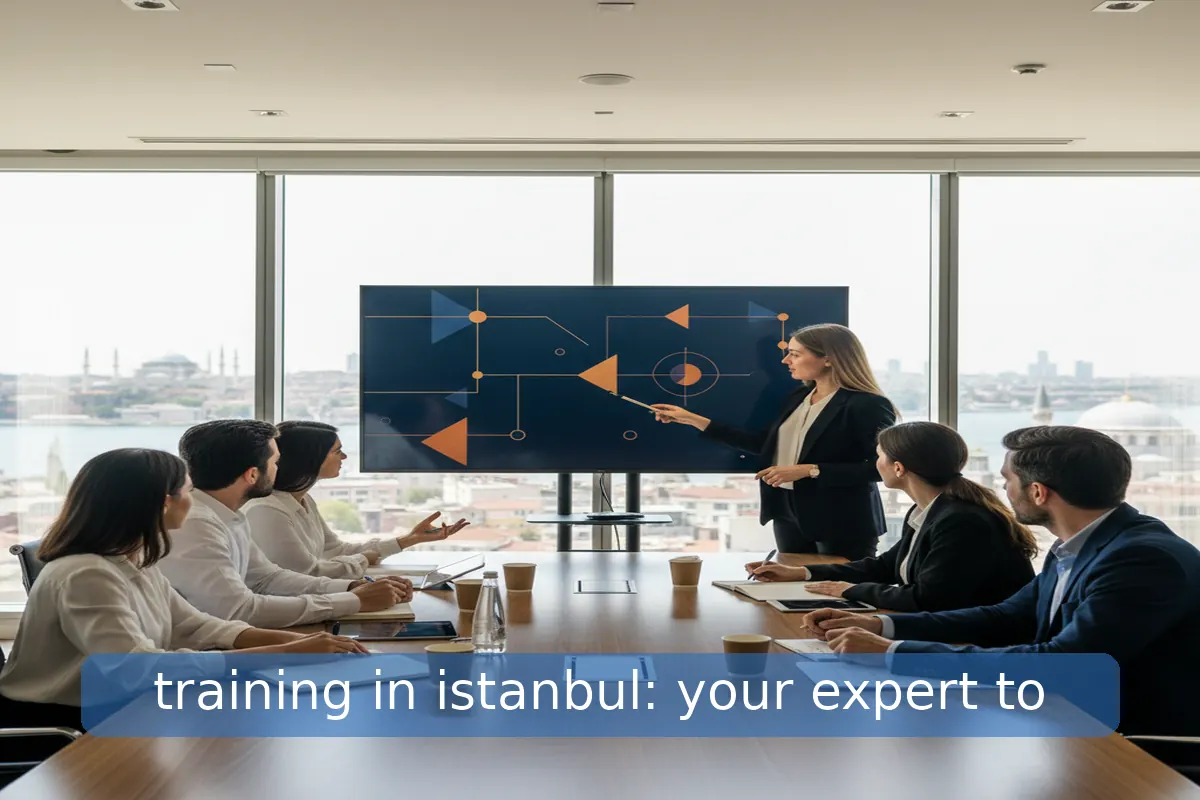
For professionals specifically targeting sales or human resources, finding a specialized sales coaching institute in Istanbul or dedicated recruiting classes near me is crucial. These institutes offer tailored curricula, industry-specific insights, and often, practical, hands-on experience that generic programs might lack.
When searching for specialized training in Istanbul, consider the following:
-
Industry Focus: Does the institute specialize in your specific industry (e.g., B2B sales, retail sales, technical recruiting for IT, or general HR recruitment)? An institute with a narrow focus often provides deeper, more relevant insights.
-
Instructor Expertise: Look for trainers with extensive, current industry experience. For sales coaching, this means individuals who have met targets and led successful teams. For recruiting, it means seasoned talent acquisition specialists.
-
Curriculum Relevance (2026): Ensure the course content addresses contemporary challenges and tools. For sales, this includes digital selling, CRM utilization, and advanced negotiation. For recruiting, it involves AI in hiring, employer branding, and diverse talent sourcing strategies.
- Examples of Sales-focused Courses: Professional Sales Manager, Major Accounts Selling – Negotiating and Winning RFPs, Key Account Management, Sales Territory and Time Management, Strategic Sales Mastery for Transportation Leaders.
- Examples of Recruiting-focused Courses: Recruitment, Interviewing and Selection, Strategic Recruitment, Interviewing and Selection, Identifying Training Needs and Evaluating Training (often a part of the recruiting lifecycle).
-
Practical Application: Does the program include role-playing, case studies, simulations, or actual project work? Practical application is vital for sales and recruiting skills.
-
Networking Opportunities: Specialized institutes often connect you with peers and industry leaders, creating valuable networking opportunities.
-
Location and Accessibility: For “recruiting classes near me” or “istanbul sales coaching institute nearby,” consider the physical location and ease of access if you prefer in-person training. Many reputable institutes, including BMC Training, offer flexible online or blended options for convenience.
Online vs. In-Person Training in Istanbul: Which Format Delivers More Value?
Deciding between online and in-person training is a critical step in your professional development journey in Istanbul. Both formats offer distinct advantages, and the “better” choice depends heavily on your learning style, schedule, and the specific course content. Here’s a comparison to help you make an informed decision:
For many, a blended learning approach, combining online modules with in-person workshops, offers the best of both worlds, providing flexibility alongside valuable face-to-face interaction.
What Common Mistakes Should You Avoid When Choosing Training in Istanbul?
Navigating the vast array of training options in Istanbul can be challenging. To ensure your investment yields maximum returns, be aware of these common pitfalls that professionals often encounter:
-
Prioritizing Price Over Value: While “cheapest training in Istanbul” is a valid search query, focusing solely on the lowest cost can lead to subpar education. A low price might indicate inexperienced instructors, outdated materials, or a lack of practical application. Always balance cost with the quality and relevance of the program.
-
Ignoring Instructor Credentials and Experience: The expertise of the trainer is paramount. A common mistake is not thoroughly researching the instructor’s industry experience, teaching methodology, and real-world application of the skills they teach. Look for practitioners, not just academics.
-
Neglecting Course Content Alignment with Goals: Many enroll in popular courses without a clear understanding of how the curriculum directly supports their career objectives. Ensure the course outline, learning outcomes, and practical exercises align precisely with the skills you need to develop for your current role or next career step.
-
Overlooking Accreditation and Certification: Not all certifications hold equal weight. Failing to verify the accreditation of the training provider or the recognition of the certification can diminish its value in the job market. Reputable providers often have international affiliations or industry-recognized certifications.
-
Skipping Reviews and Testimonials: Past participant experiences offer invaluable insights. A mistake is not actively seeking out reviews, testimonials, or even speaking to alumni to gauge the program’s effectiveness, the learning environment, and post-training support.
-
Underestimating the Time Commitment: Even short courses require dedicated time for learning, assignments, and reflection. Overcommitting or underestimating the time demand can lead to incomplete learning and wasted investment.
-
Failing to Consider Post-Training Support: Some providers offer follow-up resources, alumni networks, or continued access to learning materials. Neglecting these value-added components means missing out on potential long-term benefits.
Your 2026 Checklist: How to Evaluate and Select the Best Training Program
To make an informed decision about your professional development in Istanbul for 2026, follow this practical checklist. This framework helps you assess options systematically and ensure the training aligns with your personal and professional growth strategy.
-
Define Your Learning Objectives Clearly:
- What specific skills do you need to acquire or improve?
- How will these skills directly impact your career or current role?
- What are your long-term career aspirations that this training should support?
-
Research Training Providers Thoroughly:
- Reputation & Track Record: Look for established institutions like BMC Training with a proven history of delivering quality education.
- Accreditation & Affiliations: Are they recognized by relevant industry bodies or international organizations?
- Industry Focus: Do they specialize in your sector (e.g., oil and gas, finance, IT) or offer broad, foundational skills?
-
Scrutinize Course Content & Curriculum:
- Relevance: Is the content up-to-date with 2026 industry standards and trends?
- Learning Outcomes: Are the expected outcomes clearly stated and measurable?
- Practicality: Does the course emphasize real-world application through case studies, simulations, or project work?
-
Evaluate Instructor Expertise:
- Credentials: What are their academic qualifications and professional certifications?
- Industry Experience: Do they have practical, current experience in the field they teach?
- Teaching Style: Does their methodology suit your learning preferences (e.g., interactive, lecture-based, hands-on)?
-
Assess Logistics and Flexibility:
- Format: Is it online, in-person, or blended? Which best fits your schedule and learning style?
- Schedule: Does the timing (dates, duration) fit your availability?
- Location (for in-person): Is the training venue conveniently located and accessible?
- Technology (for online): Are the platform requirements manageable for you?
-
Consider Cost and Value Proposition:
- Total Cost: Beyond tuition, consider hidden costs like materials, software, travel, and accommodation.
- Payment Options: Are there flexible payment plans or corporate sponsorship opportunities?
- ROI: What is the potential return on investment (e.g., salary increase, promotion, new job opportunities)? How does the value compare to the cost?
-
Seek Feedback and Testimonials:
- Read reviews on independent platforms.
- Talk to past participants if possible.
- Check for success stories or case studies from the provider.
-
Understand Post-Training Support:
- Does the provider offer any follow-up resources, alumni networks, or career services?
- Is there a mechanism for ongoing support or questions after the course concludes?
Expert Insight
“In a rapidly evolving global economy, continuous professional development isn’t just an advantage; it’s a necessity. The most successful professionals in 2026 will be those who strategically invest in skills that are both current and adaptable, choosing programs that offer tangible, practical takeaways rather than just theoretical knowledge. Istanbul’s diverse training ecosystem provides a unique opportunity to achieve this, bridging global standards with local market relevance.”
— Industry experts confirm this trend in professional learning and development.
Key Terms
-
Continuous Professional Development (CPD): Ongoing learning activities that enhance professional skills and knowledge throughout a career.
-
Micro-credential: A certification of a specific skill or competency, often earned through short, focused training programs, increasingly recognized by employers.
-
Blended Learning: An educational approach that combines online digital media with traditional in-person classroom methods, offering flexibility and interactive elements.
-
Skill Gap Analysis: The process of identifying the difference between the skills an employee or team currently possesses and the skills needed to perform their job effectively or meet future organizational goals.
-
E-E-A-T (Experience, Expertise, Authoritativeness, Trust): A set of quality guidelines used by search engines to evaluate the credibility and reliability of content and its creators.
How Can BMC Training Support Your Professional Growth?
At BMC Training, we understand the critical need for high-impact, relevant, and accessible professional development in Istanbul for 2026. With decades of experience, we pride ourselves on offering a comprehensive portfolio of over 1000 courses designed to meet the dynamic demands of various industries. Whether you’re seeking to master leadership, dive into advanced data analytics, enhance your sales and negotiation prowess, or gain specialized HR and project management expertise, our programs are meticulously crafted by industry experts.
We provide:
-
Diverse Course Catalogue: From foundational essentials to advanced masterclasses across all the key areas mentioned (Leadership, HR, Finance, IT, Sales, Project Management, Quality, and more), ensuring you find the perfect fit for your career stage and goals.
-
Expert Instructors: Our trainers are seasoned professionals with deep industry experience, bringing real-world insights and practical application to every session.
-
Flexible Learning Options: Choose from in-person classroom training in state-of-the-art facilities across Istanbul, live online sessions, or tailored corporate solutions to fit your organizational needs.
-
Accredited and Recognized Programs: Our certifications are designed to be globally recognized, enhancing your professional credibility and marketability.
-
Focus on Practical Application: We emphasize hands-on learning, case studies, and interactive workshops to ensure you can immediately apply your new skills to your role.
Elevate your career with BMC Training in Istanbul. Explore our extensive course offerings and embark on a learning journey that delivers tangible results and future-proofs your skills in 2026 and beyond.
Frequently Asked Questions
Q: What types of training courses are most in-demand in Istanbul for 2026?
Q: How much do training courses in Istanbul typically cost?
Q: Are online training options available for specialized topics like sales coaching in Istanbul?
Q: How do I evaluate the quality of a training program in Istanbul?
Q: Is it worth studying in Istanbul for career growth?
Q: Can I find specialized recruiting classes or institutes for sales training specifically in Istanbul?